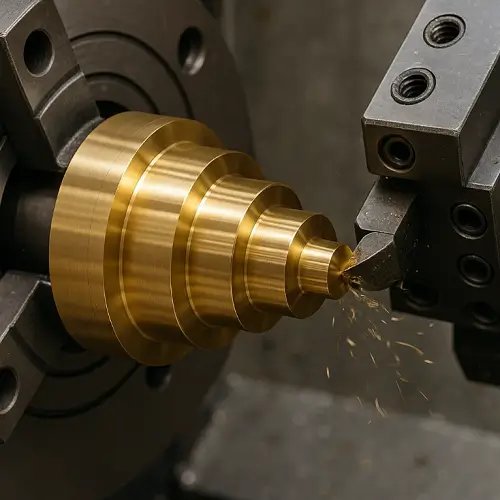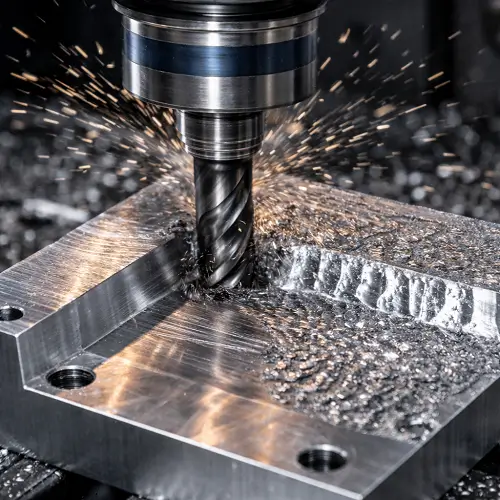
For early planning, allow roughly one to two weeks to manufacture straightforward CNC prototypes when material is available and the drawing is approved. Complex parts and production batches may need several weeks. These are planning estimates, not confirmed delivery dates. Finishing, inspection requirements, and shipping can extend the schedule.
When parts are needed for assembly or testing, the important question is whether they will arrive in time to be used. A supplier may offer a short machining turnaround, but that is only helpful if the schedule also accounts for everything required before delivery.
Understanding where the time goes makes it easier to compare quotes, avoid misunderstandings, and find practical ways to get parts sooner.
How Long Does CNC Machining Take?
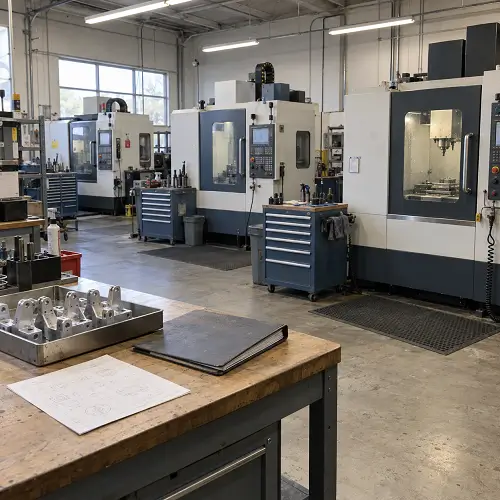
A small order of simple parts in available material can often move through production faster than complex components requiring special tooling, multiple setups, or outside processing. Roughly one to two weeks is a useful starting point for straightforward prototypes, but the supplier needs to review the drawing and current capacity before confirming a date.
An aluminum mounting plate with drilled holes and standard threads is different from a thin-wall housing with deep pockets and precision bores. The housing may need more programming, careful workholding, and additional measurement. Similar outside dimensions do not mean similar manufacturing times.
Quantity also matters. Making one prototype still requires preparation before cutting begins. A batch can share that programming and setup work, but machining, deburring, and inspecting the remaining parts take additional time. Doubling the quantity does not necessarily double the lead time, nor does it guarantee that the original delivery date can stay unchanged.
For complex parts or production orders, several weeks may be needed. Instead of relying on a general estimate, ask the supplier which operation determines the completion date. That answer will also help identify whether anything can be accelerated.
When Does CNC Machining Lead Time Start?
CNC machining lead time generally begins when the order is accepted and the required information and approvals are complete. The exact starting point should be confirmed because suppliers may use different conditions, including payment, drawing approval, or material confirmation.
Suppose a drawing is sent on Monday, but the material grade is not confirmed until Wednesday. If the shop cannot purchase stock or finalize the process before that decision, the production schedule may start on Wednesday rather than Monday.
A conflict between the CAD model and drawing can cause the same problem. If a hole has different dimensions in the two files, the supplier needs an approved answer. Guessing to save a day can lead to a rejected part and a much longer delay.
Before placing the order, establish what remains open and who needs to resolve it. Confirm whether the quoted turnaround uses business days or calendar days, too. Weekends, holidays, and order cutoffs can affect the expected completion date.
A clear start date is more useful than counting days from the first inquiry.
What Can Delay CNC Machined Parts?
Common CNC machining delays include unavailable material, unanswered drawing questions, limited machine capacity, difficult features, and additional processing. Each has a different solution, so the first step is to find out what is actually holding up the order.
Material availability needs to be checked against the specified grade, condition, and stock size. A shop may regularly machine stainless steel without having the required bar or plate available for immediate use. “We machine this material” does not necessarily mean “we can start today.”
Geometry can also extend the schedule. Deep pockets, thin walls, and features that are difficult to reach may require more preparation and slower machining. If a pocket corner needs a very small cutter, for example, ask whether a larger internal radius would still clear the mating component. An approved change to sharp internal corners may simplify machining, but the supplier should not change the drawing without permission.
Tight tolerances deserve the same focused review. A bearing seat may genuinely need careful finishing and measurement. An outside surface that does not locate or mate with anything may not need the same control. The designer should decide which requirements can change; the supplier can explain how those changes affect manufacturing.
Machine availability is another factor. A part may take relatively little cutting time but still have to wait for suitable equipment. Ask whether the quoted schedule is controlled by material, preparation, available capacity, or an outside operation. This prevents paying to accelerate one step while the actual delay remains untouched.
Does CNC Lead Time Include Finishing and Shipping?
Not always. Some quotations cover finished parts ready for dispatch, while others list surface treatment or transportation separately. Confirm whether the promised date means machining complete, ready to ship, or expected arrival.
An aluminum housing that needs anodizing is not ready for final delivery when milling ends. It may still require deburring, cleaning, surface treatment, and final inspection. If another facility handles anodizing, its processing schedule and transportation between facilities also affect completion.
The same applies to plating, passivation, heat treatment, and other specified operations. Ask whether the supplier has included these steps in the quoted CNC machining delivery time, rather than assuming they will fit inside it.
Inspection paperwork should be agreed on early. A dimensional report or material certificate requested during quotation can be planned with the order. Adding documentation requirements shortly before shipment may create extra work and delay release.
For overseas purchases, separate the dispatch date from the estimated arrival date. Freight arrangements and customs clearance sit outside the machining process. If assembly starts on Friday, a promise to ship on Friday will not help. Give the supplier the date the parts need to arrive and have the complete schedule reviewed against it.
How Can You Get CNC Machined Parts Faster?
The most effective way to reduce CNC machining lead time is to remove avoidable waiting and focus on the step controlling delivery. Paying for an urgent order can help in some situations, but it cannot automatically solve unavailable material or shorten every finishing process.
Start by resolving drawing questions together. Several short exchanges spread over several days can hold up a straightforward part. One clear response covering material, threads, tolerances, and finish helps the shop complete preparation without repeatedly stopping for clarification.
If the required material is unavailable, ask whether an available option could be considered. Any substitution needs design approval. A material that is easier to source may behave differently in service, so availability alone is not enough reason to change it.
Review requirements that add work without helping the part function. Unnecessarily tight tolerances on noncritical features may increase machining and inspection time. A focused review can improve both delivery and CNC machining cost, while preserving the fits, sealing surfaces, and alignment features that matter.
If only a few parts are needed for an initial test, discuss a split delivery. An early quantity may allow testing to begin while the rest of the batch follows. Confirm any additional setup, inspection, packaging, or freight charges before agreeing.
An unfinished sample may also help with a limited early check. However, if the final coating affects fit, appearance, or performance, that part of validation must wait for the specified finish. An early sample should have a clear purpose rather than simply arrive sooner.
Does Paying for Expedited CNC Machining Help?
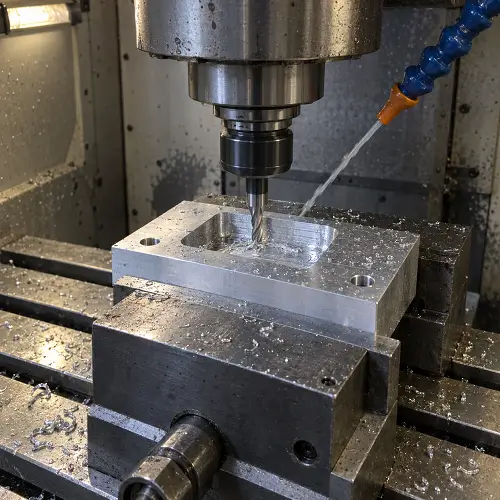
An expedited order may receive an earlier production slot or additional attention to scheduling. Before accepting a rush charge, ask which step will be accelerated and what earlier dispatch date the supplier can confirm.
If the main delay is waiting for special material, paying to prioritize machining may make little difference. If the material and tooling are ready but the machine schedule is full, moving the job forward may help.
Quick turnaround CNC machining should therefore come with a clear explanation of what changes. “We will try our best” is not enough to plan an assembly date around.
What Should a Supplier Do If the Schedule Slips?
If a machine breaks down or capacity becomes unavailable, the supplier should assess ways to protect the customer’s delivery date and communicate the problem early. Waiting until the original shipping date to announce a delay leaves the customer with fewer options.
One option is moving a suitable operation to a qualified subcontractor. Another shop may have the equipment and capacity to complete that work sooner, helping avoid a delay to assembly or testing.
Before transferring the job, the supplier should confirm that the subcontractor can meet the drawing requirements and that the move will actually save time. Transporting parts, handing over requirements, preparing another setup, and checking the returned work all need to fit within the recovery schedule.
For example, a failed machine may prevent the original shop from completing a remaining milling operation. If a qualified partner can perform it sooner, outsourcing that step may be more practical than waiting for repairs. But the decision needs to account for how the partially machined part will be located, finished, and inspected.
The supplier handling the order should remain responsible for quality checks, progress updates, and delivery. The customer should receive a clear recovery plan and a revised delivery date, without having to coordinate with another factory. Any required customer approval or confidentiality arrangements should be addressed before drawings or parts are transferred.
Outsourcing is useful when it provides a workable route to completion. The goal is to keep the customer’s project moving while maintaining the agreed part requirements.
Are Repeat CNC Orders Faster Than Prototypes?
Repeat orders can have shorter preparation times when the approved drawing, machining program, fixtures, and inspection approach remain usable. However, less preparation does not always mean earlier delivery.
A prototype may require fresh programming but only involve a few pieces. A repeat production order may reuse that work while needing substantially more machine time because the quantity is larger.
Material availability and shop capacity can also change between orders. A batch delivered quickly last month does not guarantee the same schedule for the next one. Confirm the new delivery date before making commitments based on the previous order.
For low-volume CNC machining, drawing revisions need particular attention. A changed pocket, material, or finish can require new preparation even if the part looks almost identical. State the revision clearly and ask whether it affects the production machining lead time.
If repeat demand is reasonably predictable, share expected quantities and required dates in advance. This gives the supplier more information for planning, but confirm separately whether material or machine capacity has actually been reserved.
How Do You Confirm Delivery Before Placing an Order?
Provide the CAD model, available drawing, quantity, material, finish, inspection requirements, and required arrival date. Explain whether the parts are needed for a fit check, functional testing, or final assembly, because that may affect which delivery options are useful.
The supplier should confirm the agreed start point, what the production schedule includes, the planned dispatch date, and the shipping arrangement. Any unresolved conditions should be clear before the order is released.
If the proposed schedule is too long, ask what is controlling it. Available material, an approved design adjustment, or a partial shipment may offer a practical alternative. If the limiting step cannot be shortened, knowing early gives the project time to adjust.
JeekRapid provides CNC machining services for custom metal and plastic prototypes and production parts. If the current lead time does not fit the project, send the drawing, quantity, and required arrival date for review. Explain which parts are needed first and which requirements cannot change, so the team can assess whether a workable schedule is available.