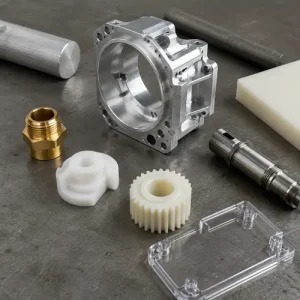
CNC Materials

Engineering-focused material guides for CNC machining, including metals and plastics commonly used for prototypes and production. Each material page covers machinability, tolerance behavior, applications, and design notes.

Common metal and plastic materials for CNC machining

CNC Machining Materials: Metals, Plastics, and How to Choose

For many CNC machining projects, the material choice can be narrowed down to a small group of common metals and engineering plastics. Aluminum 6061, aluminum 7075, stainless steel 304 or 316, carbon and alloy steel, brass, POM, nylon, ABS, and polycarbonate cover many prototype and production requirements.

The difficult part is not knowing which materials …
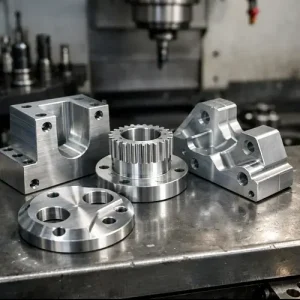
CNC machined aluminum part made from 6061 and 7075 aluminum on industrial workbench

CNC Material Selection and Cost Trade-offs

Material choice is one of those decisions in CNC machining that looks simple on paper, then quietly controls everything that follows — cycle time, tool life, scrap rate, even whether the schedule survives first article.

Anyone who has run real projects has seen the same drawing produce very different numbers on the quote sheet, just …

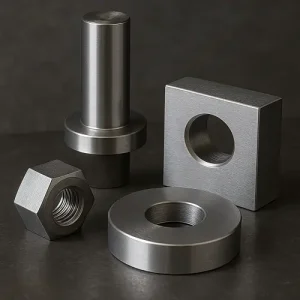
Precision steel CNC machined part with clean surface finish

Steel CNC Machining: Grades, Machinability, and Practical Design Considerations

Steel remains one of the most widely specified materials in CNC machining, not because it is easy to cut, but because it delivers dependable strength, wear resistance, and long-term stability. From structural brackets to high-load mechanical components, steel is often chosen when aluminum simply does not offer enough margin.

That said, steel CNC machining is …

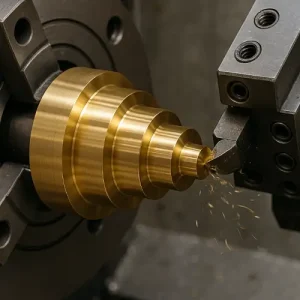
Turned copper components produced on a CNC lathe

CNC Machining Copper: Material Types, Properties, and Tolerance Control

Anyone who has machined copper knows it doesn’t behave like most metals. A cut can look clean one moment and start smearing the next. The same traits that make copper valuable—high conductivity, rapid heat transfer, and consistent electrical performance—also make it sensitive to tool sharpness, chip flow, and small shifts in clamping.

If you’ve worked …

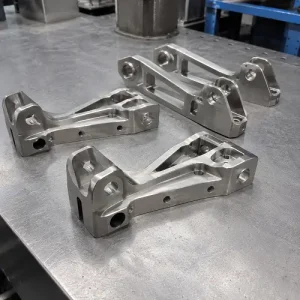
titanium machined parts

Titanium CNC Machining: Grades, Challenges, Costs, and Design Tips

Titanium CNC machining is used for parts that need high strength, low weight, corrosion resistance, and reliable performance in demanding environments. Common applications include aerospace components, medical parts, marine hardware, energy equipment, and high-performance industrial assemblies.

Titanium is more difficult to machine than aluminum and many steels. It holds heat close to the cutting edge, …

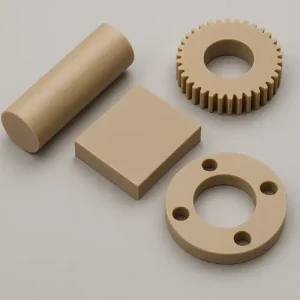
PEEK CNC Machining for the Medical Industry

In industries where failure is not an option—like aerospace, medical, and semiconductors—engineers are increasingly turning to PEEK (Polyether ether ketone) for mission-critical components. This high-performance thermoplastic delivers exceptional chemical resistance, mechanical stability, and heat tolerance, even under continuous loads and harsh conditions.

But these properties also make PEEK CNC machining anything but straightforward.

While injection …

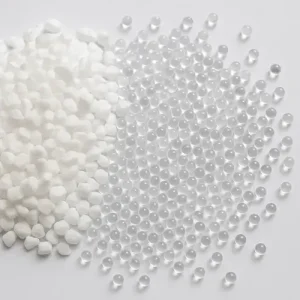
Polystyrene (PS) injection molding: properties, processing and mold design points

Polystyrene (PS) is one of the most widely used thermoplastics in industrial production. Since its commercialization by BASF in Germany in the 1930s, this material has been widely adopted in industries such as packaging, home appliances, medical devices and prototyping due to its high rigidity, transparency and good processability. While it is commonly used in …

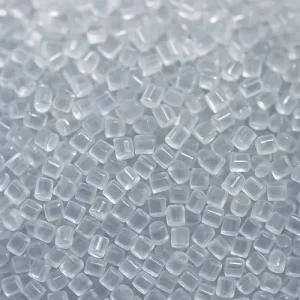
Polycarbonate (PC) Material: Properties, Advantages, and Applications

Polycarbonate (Polycarbonate, referred to as PC) is a transparent engineering thermoplastics, both high impact strength, good heat resistance and optical transparency. Since its industrialization in the late 1950s by Germany’s Bayer (Bayer, trade name Makrolon) and the U.S. General Electric Company (GE, trade name Lexan), polycarbonate has become a representative material for transparent structural parts. …

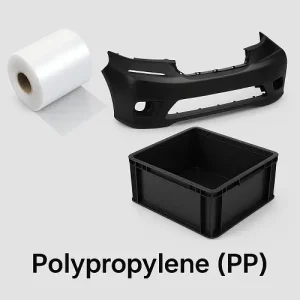
Polypropylene (PP): Definition, Types, and Properties

Polypropylene (PP) is currently the second most used thermoplastic polymer in the world, after polyethylene (PE). Due to its low density, chemical resistance, recyclability and cost-effectiveness, PP has become one of the most commonly used general engineering plastics in manufacturing.

Whether it’s packaging film, automotive bumpers, medical devices and chemical piping, polypropylene materials are lightweight …

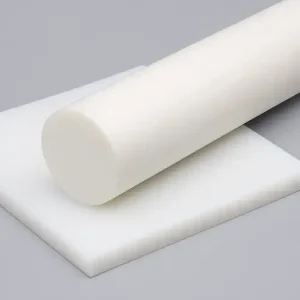
What is Ultra High Molecular Weight Polyethylene (UHMWPE)?

Ultra-high molecular weight polyethylene (UHMWPE) is an engineering plastic with extremely high molecular weight, usually between 2 million and 6 million. Due to its special molecular structure, UHMWPE has excellent wear resistance, low coefficient of friction, high impact resistance and excellent chemical stability, and is widely used in many demanding industrial fields. With the continuous …

Scroll to Top