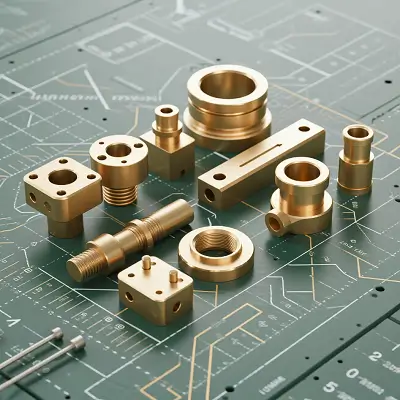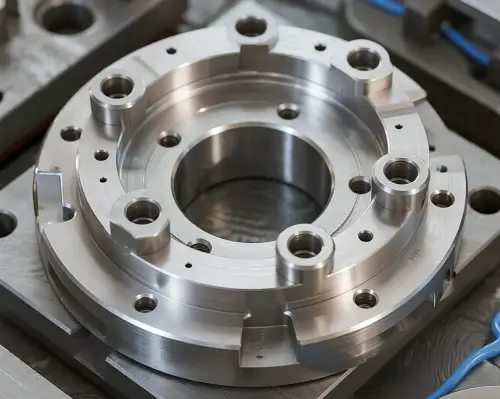
Steel remains one of the most widely specified materials in CNC machining, not because it is easy to cut, but because it delivers dependable strength, wear resistance, and long-term stability. From structural brackets to high-load mechanical components, steel is often chosen when aluminum simply does not offer enough margin.
That said, steel CNC machining is rarely straightforward. Different steel grades behave very differently under the cutter, even when mechanical properties appear similar on a datasheet. Carbon content, alloying elements, and heat treatment all influence machinability, tool life, surface finish, and tolerance control. Understanding these differences early saves time, tooling cost, and frustration later in production.
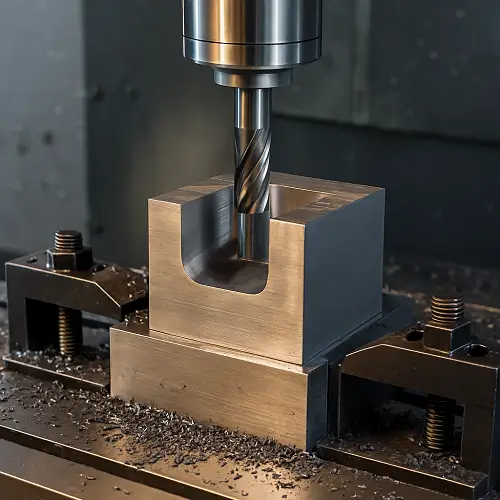
Common Steel Types Used in CNC Machining
Steel used in CNC machining is typically grouped by carbon level and alloy composition. These categories provide a practical way to anticipate cutting behavior and machining risk.
Low Carbon Steel (Mild Steel)
Low carbon steels such as 1018 and 1020 are widely used in CNC machining because they are stable and forgiving during cutting. These grades shear cleanly, generate predictable chips, and tolerate a wide range of feeds and speeds without excessive tool wear. For many shops, mild steel is the material used to keep jobs moving smoothly rather than pushing machine limits.
In real production environments, low carbon steel is often selected for frames, fixtures, mounting plates, and general-purpose components. When dimensional consistency and cost control matter more than extreme strength, mild steel usually provides the most reliable machining results.
Medium Carbon Steel
Medium carbon steels, commonly represented by grades such as 1045, offer higher strength and hardness compared to mild steel. This improvement in mechanical performance comes with increased cutting forces and greater sensitivity to heat buildup.
During CNC machining, medium carbon steel demands tighter control over cutting parameters. Tool condition becomes more critical, especially during finishing operations. Without proper engagement and cooling, surface tearing and accelerated tool wear are common. These steels are often chosen when moderate strength is required but alloy steel would be unnecessary or too costly.
Alloy Steel
Alloy steels such as 4140 and 4340 are frequently specified for parts that must withstand high loads or repeated stress. These materials provide excellent strength and fatigue resistance, making them common in industrial and automotive applications.
From a machining standpoint, alloy steel behavior depends heavily on heat treatment condition. In the annealed state, alloy steels machine with reasonable stability. After hardening, cutting becomes far more demanding, with increased tool wear and reduced tolerance control. For this reason, many critical features are machined before heat treatment whenever possible.
Stainless Steel
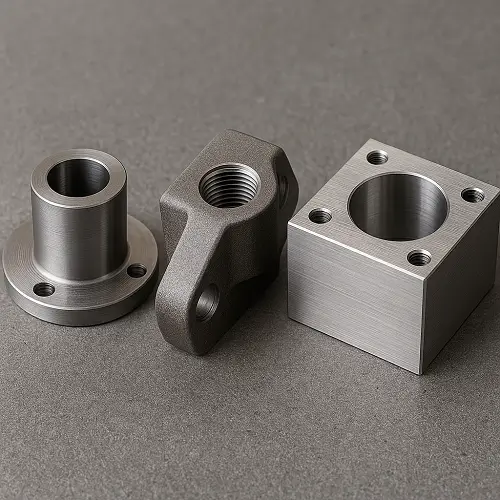
Stainless steels, including 304, 316, and 17-4 PH, are selected primarily for corrosion resistance rather than machinability. These grades retain heat, resist chip breakage, and tend to work-harden if cutting conditions are not well managed.
In stainless steel CNC machining, sharp tools and consistent cutting forces matter more than aggressive material removal rates. Light passes or dull tooling often make surface quality worse rather than better. Shops experienced with stainless steel understand that stable engagement is the key to controlling both finish and dimensional accuracy.
Tool Steel
Tool steels such as D2, A2, and H13 are designed for wear resistance and dimensional stability, not ease of machining. Even in the annealed condition, these materials place higher demands on machine rigidity and tooling quality compared to standard alloy steels.
Most tool steel components are CNC machined prior to heat treatment, with final hardness achieved afterward. This approach allows complex features to be produced accurately while minimizing tool wear and machining risk.
Machinability Differences Between Steel Grades
Two steel grades can share similar tensile strength values yet behave very differently during CNC machining. Carbon content influences how easily material shears, while alloying elements affect heat retention and tool interaction. These differences often explain why one steel cuts cleanly while another of similar strength feels unstable.
Low carbon steels generally produce manageable chips and consistent finishes. As carbon content increases, cutting forces rise and surface quality becomes more sensitive to tool condition. Alloy and stainless steels further amplify these effects due to their thermal behavior and tendency to work-harden.
Key Challenges in Steel CNC Machining
Steel machining presents challenges that are less pronounced in softer materials. Managing these issues is often the difference between a smooth production run and repeated rework.
Tool Wear and Heat Buildup
Steel retains heat far more than aluminum, which places sustained thermal stress on cutting tools during longer cycles. Incorrect feeds and speeds accelerate edge wear and shorten tool life quickly. In many cases, conservative cutting parameters produce better overall results than aggressive material removal.
Work Hardening During Machining
Work hardening is most noticeable in stainless steels but can also occur in higher carbon grades. Dull tools or rubbing cuts increase surface hardness rather than removing material efficiently. Once work hardening begins, both surface finish and dimensional control degrade rapidly.
Chip Control and Surface Finish Stability
Poor chip evacuation leads to re-cutting, localized heat buildup, and inconsistent finishes. Steel chips do not break or clear as easily as aluminum chips, making tool geometry and coolant delivery especially important. Stable chip flow often matters more than spindle speed when aiming for consistent surface quality.
Tolerances and Dimensional Control in Steel CNC Machining
Achievable tolerances in steel CNC machining depend on more than machine capability alone. Material grade, heat treatment condition, part geometry, and tool access all influence dimensional stability during cutting.
Low carbon steels generally allow tighter and more predictable tolerances. Heat-treated alloy steels may require relaxed tolerance targets or secondary finishing operations to achieve similar results. Design decisions made during material selection often determine whether tight tolerances are practical or costly.
Practical Design Considerations for CNC Machined Steel Parts
Designing parts specifically for steel CNC machining reduces risk and improves consistency. Thin walls in hardened or high-strength steels tend to deflect under cutting forces, while sharp internal corners restrict tool access and increase wear.
Thread depth, hole location, and machining sequence also deserve attention. In many cases, machining critical features before heat treatment simplifies tolerance control and extends tool life without compromising final performance.
Typical Applications of Steel CNC Machining
Steel CNC machining is commonly used in applications where strength and durability are prioritized over weight reduction. Industrial machinery components, automotive parts, fixtures, tooling, and structural brackets all rely on steel for long-term reliability.
In these applications, predictable machining behavior often matters as much as final mechanical properties.
Selecting the Right Steel Grade for CNC Machining Projects
Choosing steel for CNC machining is a balancing act between strength, machinability, cost, and production volume. Higher strength does not always lead to better outcomes if machining complexity increases significantly.
In practice, the most effective steel choice is often the one that machines reliably while still meeting functional requirements. Over-specifying material strength frequently creates unnecessary machining challenges without improving real-world performance.
FAQs
Why is steel CNC machining more difficult than aluminum?
Steel CNC machining involves higher cutting forces and greater heat retention than aluminum. Tool wear, chip control, and thermal stability become the main challenges, especially during long machining cycles.
Which steel grades are easiest for CNC machining?
Low carbon steels such as 1018 and 1020 are generally the easiest to machine. These grades offer stable cutting behavior and predictable surface finishes compared to alloy or stainless steels.
Can tight tolerances be achieved in steel CNC machining?
Yes, but tolerance capability depends on steel grade, heat treatment condition, and part geometry. Low carbon steels allow tighter control, while hardened steels often require relaxed tolerances or secondary operations.
Why does stainless steel cause work hardening during CNC machining?
Stainless steels retain heat and harden when cutting forces are inconsistent. Dull tools or light passes increase surface hardness instead of removing material efficiently.
Should steel parts be machined before heat treatment?
In most cases, CNC machining before heat treatment improves tool life and dimensional stability. Final hardness is typically applied after critical features are completed.
Summary
Steel CNC machining is less about cutting metal and more about understanding material behavior. Different steel grades respond differently to cutting forces, heat, and tooling strategies. Selecting the appropriate grade simplifies machining, improves surface quality, and stabilizes production.
Well-chosen steel does not just meet strength requirements—it makes the entire manufacturing process more controllable.