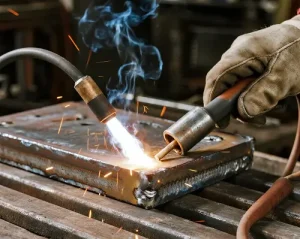
MIG vs TIG Welding: What’s the Difference?

When it comes to welding, choosing between MIG and TIG isn’t just a technical decision — it can directly affect the strength, appearance, cost, and timeline of your project. If you’re a manufacturer, engineer, or procurement manager looking to select the right welding process for your components or assemblies, this article breaks it down without …
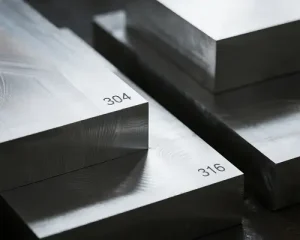
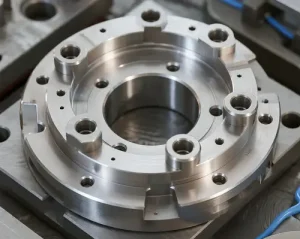
304 vs 316 stainless steel materials used for CNC machining comparison

304 vs 316 stainless steel: What is the difference?

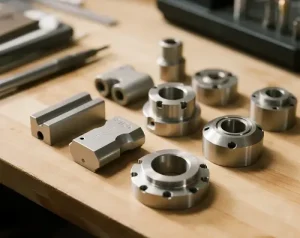
304 and 316 stainless steel often appear interchangeable during design review—similar strength, similar structure, and similar appearance. Once the parts enter machining, the differences become obvious. Tool load, chip flow, heat generation, and finishing effort diverge sharply. At JeekRapid, both grades are common in electronics housings, medical components, outdoor equipment, and food-processing parts. Choosing …

17-4 PH Stainless Steel: Properties, Applications, and Machining Tips

17-4 PH stainless steel is one of the most widely used precipitation-hardening stainless steels. The alloy offers a unique combination of high strength, hardness, corrosion resistance, and good machinability, making it suitable for demanding applications in aerospace, defense, medical, oil and gas, and general engineering. Its balance of mechanical performance and fabricability places it in …

Knurling Tools: Types, Patterns, and How to Choose the Right Tool for Precision Machining

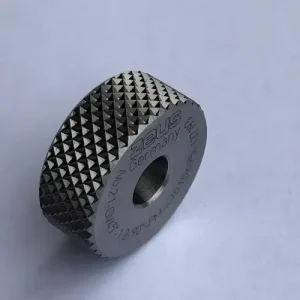
Knurling is widely used in precision machining. It forms textures on part surfaces through rolling. Behind each beautiful pattern lies the engineer’s selection of a knurling tool—a device that forms surface textures or geometries without removing material. For buyers, it is important to understand the types, functions, and selection criteria of knurling tools.

This article …

What Is Passivation? Process, Principles, and Applications Explained

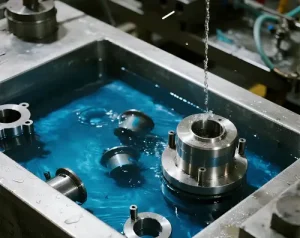
Passivation is a metal surface treatment process that protects the material surface through chemical treatment and enhances its corrosion resistance.
In certain stainless steel materials, a protective film is formed on the surface. This process has long become a standard procedure in many high-end manufacturing industries.
However, many purchasing personnel or company owners still stay …

Blech mit Laser Schneiden: Precision Sheet Metal Cutting Guide

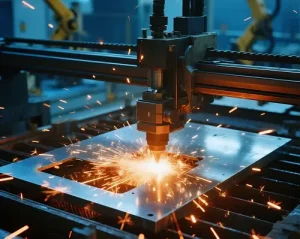
The term blech mit laser schneiden—German for “laser cutting sheet metal”—is becoming more common not just in German-speaking countries but also among international manufacturers searching for precise and cost-effective cutting solutions. At JeekRapid, we started getting similar inquiries as early as 2022 from clients in Europe who needed prototype enclosures made from thin stainless steel. …

Mechanical Validation of CNC Prototypes: Materials, Tolerances, and Use Cases

Early prototypes often check only form and fit—proportions, feedback, or concept approval. But when a product faces mechanical validation, mere appearance won’t suffice. At this stage, prototypes must endure real-world forces: stress, heat, torque, and precise mating tolerances.

A tiny misalignment or surface flaw can cause a test failure. To replicate production-level behavior quickly—without the …

From Prototype to Production: Choosing the Right CNC Machining Strategy

Transitioning from prototype to production is one of the most critical stages in any product development cycle. What works during prototyping doesn’t always translate smoothly into production, especially when it comes to balancing cost, speed, and precision. Missteps here can lead to delays, increased expenses, and compromised product quality.

CNC machining plays a vital role …

Scroll to Top