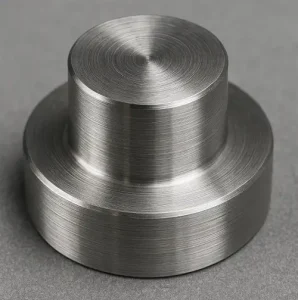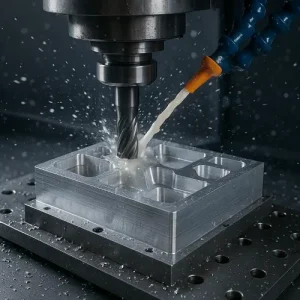
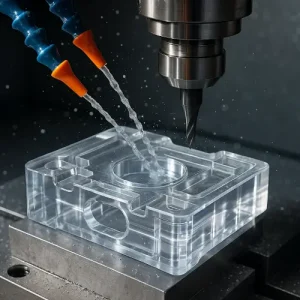
Transparent vs Translucent vs Opaque Materials: Choosing the Right Components, Methods, and Projects

In manufacturing, the way a material interacts with light is more than an aesthetic detail—it often dictates design feasibility and production methods. Engineers choosing between transparent, translucent, and opaque materials are not simply deciding how a product will look. They are defining performance in optical clarity, light diffusion, or complete light blocking. These properties determine …
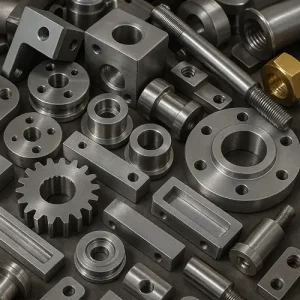
Metal Strength: Tensile Strength, Hardness, and Real-World Applications

In precision machining, understanding the strength of metals is essential for both design and production. Tensile strength, yield strength, compressive strength, and hardness not only determine how a material performs in service but also influence how the material can be cut, milled, drilled, or finished. High-strength steels demand different tool geometries and cutting speeds compared …

PVC Plastic (Polyvinyl Chloride): Properties, Types, and Applications

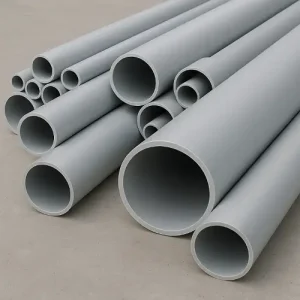
Polyvinyl chloride (PVC) is one of the world’s most widely used thermoplastics, accounting for nearly 20% of global polymer demand. PVC plastic offers a balance of strength, flame resistance, chemical durability, and affordability, which explains its use in construction, healthcare, electrical systems, and consumer goods. The adaptability of PVC comes from its ability to be …

Different Types of Bearings and Their Characteristics

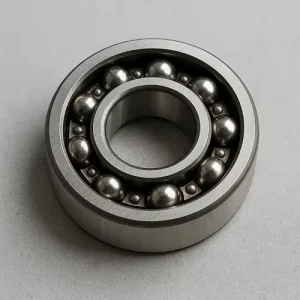
Bearings are essential machine components that support shafts, reduce friction, and make rotational or linear motion smoother and more reliable. Bearings can be found in almost every kind of equipment, from small household devices to large industrial machinery. Each type of bearing has unique design features that make the component suitable for specific loads, speeds, …

Why does metal galling occur and how can it be prevented?

In many mechanical systems, engineers face the challenge of metal parts seizing or locking together during service. This sudden failure is not caused by fracture or corrosion but by a specific adhesive wear phenomenon known as galling. Galling has been reported in industries from aerospace fasteners to oilfield bearings, leading to expensive downtime and component …

Carbon Steel vs Alloy Steel: Properties, Applications, and CNC Machining

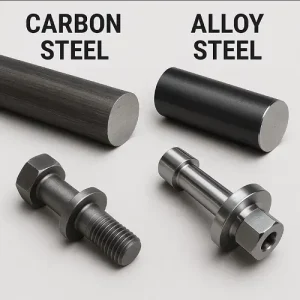
Steel is not a single material but a family of alloys built around iron and carbon. The performance of steel changes dramatically with adjustments to carbon percentage and the addition of other alloying elements. For engineers, two categories appear most frequently in design and production: carbon steel and alloy steel.
Questions like “what is carbon …

Anodized Aluminum: How to Anodize Aluminum Parts

Aluminum has become one of the most widely applied materials in modern manufacturing. Lightweight structure, corrosion resistance, and excellent machinability make aluminum suitable for industries ranging from aerospace to medical technology. A natural oxide film forms on untreated aluminum, but this film lacks uniform thickness and limited durability. Anodizing provides a controlled method to create …

Surface finish parts

Machined Surface Roughness: Ra, Rz & Finish Chart

Machined surface roughness describes the small peaks and valleys left on a part after CNC milling, turning, grinding, or another manufacturing process. These irregularities may be difficult to see, but they can affect sealing, friction, wear, coating adhesion, appearance, and how two parts fit together.

Surface roughness is usually specified with a value such as …

Powder Coating: Types, Process, Colors, Finishes, and Industrial Applications

Powder coating has become one of the most trusted finishing methods in modern manufacturing, widely applied across markets ranging from consumer goods to heavy-duty industrial equipment. The process offers a durable, solvent-free alternative to liquid paint, allowing manufacturers to protect parts while enhancing appearance. Powder coating is now common on everything from automotive wheels and …

CNC Prototyping

CNC Prototyping: Materials, Cost, Tolerances, and Production Tips

CNC prototyping is usually chosen when a metal or plastic part needs to be tested in real material before production. Most buyers are not looking for a classroom definition. They want to know whether CNC machining can make their prototype accurately, how much the part may cost, how fast the sample can be delivered, and …

Scroll to Top