Design for Manufacturability in Prototyping and CNC Machining

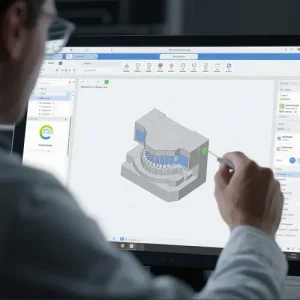
In prototype development, it’s easy to focus solely on performance and appearance. But when a design hits the production floor, manufacturability becomes the real test. A great concept can fail—not because it doesn’t work—but because it can’t be built efficiently.

That’s where Design for Manufacturability (DFM) plays a critical role. For CNC machining and low-volume …
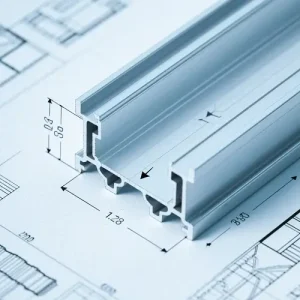
Custom Aluminum Extrusion Explained: Design Tips, Alloy Selection, and Manufacturing Guide

In the world of product development, functionality and form are equally important. For engineers and designers working on structural or enclosure components, custom aluminum extrusion is a go-to manufacturing process—especially when unique profiles, weight optimization, and cost efficiency matter.

But what exactly is custom aluminum extrusion, and when does it make sense to use it …

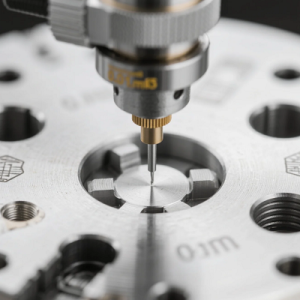
What Is ±0.01mm CNC Machining? Ultra-Precision Metal Parts Explained

In today’s era of miniaturization and high-performance demands, precision is no longer optional but essential. When manufacturing requires extremely tight accuracy, high-precision CNC machining becomes the standard in demanding industries.

This level of precision control means that machining errors must be kept within an extremely small range of 0.02mm — which is critical for the …

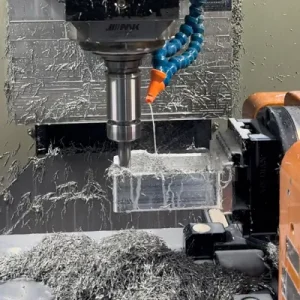
CNC Prototype Machining: Precision and Speed

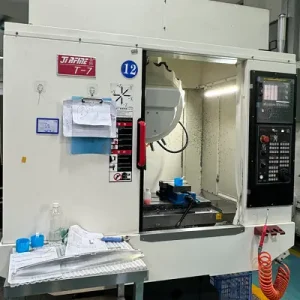
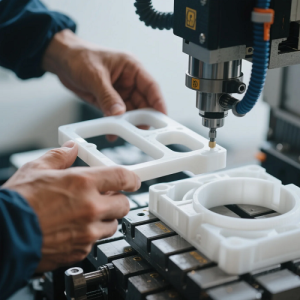
CNC prototype machining is a key method for producing high-precision prototypes during product development. By balancing dimensional accuracy and fast lead times, CNC machining serves aerospace, automotive, and medical sectors where prototyping speed and tolerances directly impact product success.

CNC Prototype Machining Applications by Industry

Across various industries, CNC prototype machining covers nearly all high-precision …

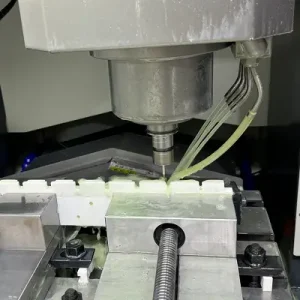
Ceramic CNC Machining: Parameters, Processes & Applications

In modern manufacturing, ceramic materials have become widely adopted across various industries due to their high temperature resistance, corrosion resistance, and exceptional hardness. With the advancement of CNC machining in the 21st century, ceramics are now being precisely machined, opening new possibilities in electronics, medical, aerospace, and other sectors. However, the brittle nature and machining …

What Is Vacuum Casting: Process, Principles, and Applications

As product development cycles keep getting shorter, many engineers, including our team at Jeek, often turn to vacuum casting as a quick, cost-effective way to produce small batches of high-quality plastic components. This method is commonly used to create prototypes or conduct market testing before investing heavily in mass production tooling.

Unlike injection molding, vacuum …

Bead Blasting

What Is Bead Blasting? Surface Finishing for CNC Machined Parts

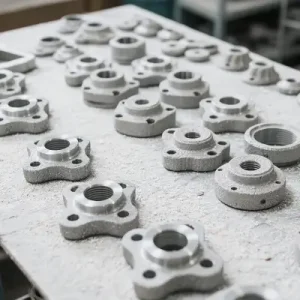
Bead blasting is often used after CNC machining when a part needs a cleaner, more uniform surface. A freshly machined part may meet the drawing, but the surface can still show cutter marks, uneven reflection, light oxidation, handling stains, or small burrs around edges. Bead blasting uses compressed air to shoot fine glass, ceramic, or …

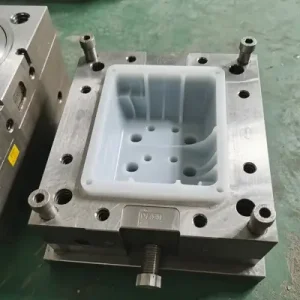
Low Volume Injection Molding: Benefits and Use Cases

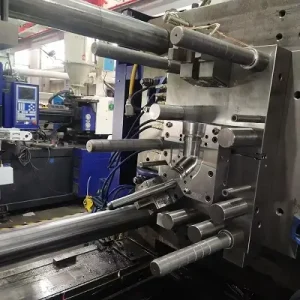
In the 21st century, low volume injection molding has become the preferred choice for many companies in the plastic products manufacturing industry. As a staff member at Jeek Rapid, a factory with 15 years of injection molding experience, I’d like to share the advantages of low volume injection molding and some real-world cases from our …

How Precise Can CNC Machining Tolerances Be?

A Guide for Engineers:This engineer’s guide provides a comprehensive overview of CNC machining tolerances based on ISO 2768 standards, recommended tolerance ranges for common materials, and the impact of tolerance selection on manufacturing cost. It also showcases how Jeek Rapid achieves extreme tolerance control of ±0.02mm through advanced equipment and processes—with real-world cases demonstrating precision …

Scroll to Top