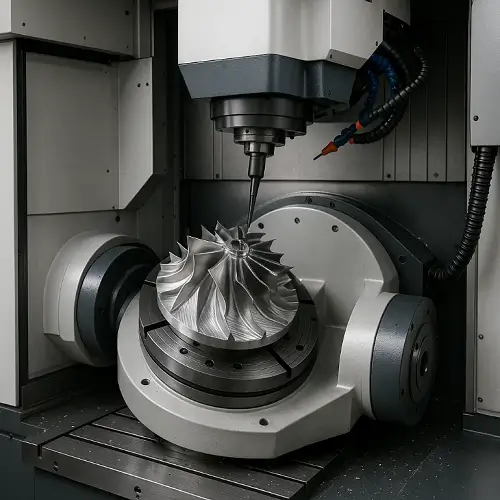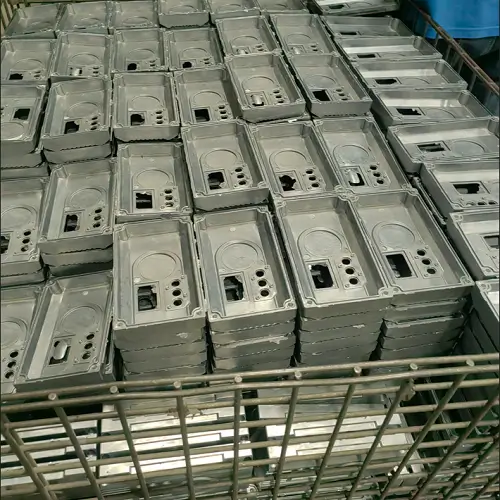
CNC prototyping is usually chosen when a metal or plastic part needs to be tested in real material before production. Most buyers are not looking for a classroom definition. They want to know whether CNC machining can make their prototype accurately, how much the part may cost, how fast the sample can be delivered, and whether the same design can move into low-volume production later.
A 3D printed sample may be enough for early shape checking. A CNC machined prototype gives a better answer when the part needs real strength, clean threads, tight holes, flat sealing faces, press-fit areas, smooth surfaces, or assembly testing with other components. Aluminum brackets, stainless steel shafts, POM bushings, ABS housings, acrylic covers, and titanium trial parts can all be machined for functional review before tooling or batch production.
The main value of CNC prototyping is simple: the part can be tested closer to the way the final product will be used. That makes CNC prototype machining useful for engineers, product developers, hardware startups, equipment builders, and purchasing teams that need reliable parts before placing a larger order.
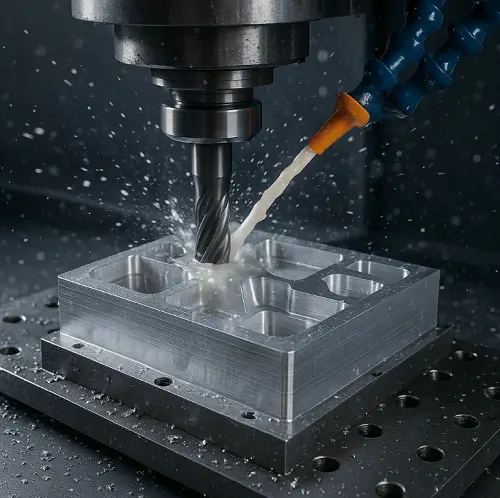
When CNC Prototyping Makes Sense
CNC prototyping works best when the prototype needs more than a visual shape. Many customers already have a CAD model and a rough material idea. The real question is whether the sample can help check fit, strength, tolerance, surface finish, and production risk.
CNC prototyping is a good choice when the part needs real metal or engineering plastic. A machined aluminum part will behave much closer to a final aluminum part than a printed plastic model. A stainless steel shaft, brass fitting, titanium bracket, or POM gear can be tested for function, wear, fit, and assembly without waiting for molds or production tooling.
CNC prototypes are also useful when the design is still changing. Small changes to hole size, wall thickness, corner radius, thread depth, or mounting position can be updated in CAD and machined again without modifying a mold. This flexibility is important in early product development, especially when the customer needs two or three sample rounds before production approval.
For many projects, CNC prototyping also works as the first step toward small-batch manufacturing. Once the prototype is approved, the same material, machining method, surface finish, and inspection requirement can often be used for 10, 50, 100, or 500 parts.
What CNC Prototyping Can Help Buyers Check
A prototype should answer practical questions. The part may look correct on a screen, but the first machined sample often reveals details that are hard to judge from a CAD model alone.
CNC prototyping can help check whether holes align with mating parts, whether threads are deep enough, whether thin walls feel too weak, whether a sealing face is flat enough, whether a shaft fits into a bearing, or whether a housing can be assembled without interference. These issues matter more than a perfect-looking model.
Machined prototypes are often used to check:
| What Needs to Be Checked | Why CNC Prototyping Helps |
|---|---|
| Assembly fit | Holes, slots, bosses, shafts, and mating faces can be tested with real parts |
| Strength | Metal and engineering plastic prototypes can be loaded and tested |
| Threads | Tapped holes, inserts, and external threads can be checked before production |
| Surface finish | Machined, polished, anodized, blasted, or coated surfaces can be reviewed |
| Sealing areas | Flatness, contact surfaces, and gasket areas can be inspected |
| Press-fit features | Hole and shaft fits can be tested before batch machining |
| Material behavior | Real material gives better test results than visual models |
| Production risk | Difficult features can be found before larger orders |
A good CNC prototype is not just a sample. It is a way to find design problems early, before those problems become expensive.
Common Materials for CNC Prototypes
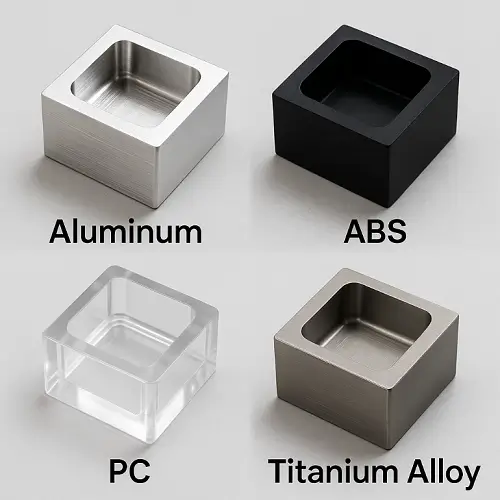
Material selection has a large effect on prototype cost, lead time, strength, appearance, and machining risk. Some customers choose the final production material from the beginning. Others start with a cheaper or easier material for the first sample, then switch to the final material after the design is confirmed.
Aluminum 6061
Aluminum 6061 is one of the most common CNC prototyping materials. The material machines well, has stable strength, supports anodizing, and keeps cost reasonable. Prototype housings, brackets, plates, covers, fixtures, and test parts often use 6061 because the material is easy to source and practical for fast machining.
Aluminum 7075
Aluminum 7075 is used when the prototype needs higher strength. The material is common for aerospace-style brackets, drone parts, lightweight structural parts, and high-load components. Compared with 6061, 7075 costs more and is less corrosion resistant, but the strength-to-weight ratio is much higher.
Stainless Steel
Stainless steel prototypes are used when strength, corrosion resistance, heat resistance, or cleanability matters. 304 and 316 stainless steel are common choices. 17-4 PH stainless steel is often used for stronger shafts, tooling parts, locking parts, medical device components, and aerospace-related hardware. Stainless steel machining takes more time than aluminum, so prototype cost is usually higher.
Brass and Copper
Brass machines cleanly and is often used for fittings, valve parts, terminals, bushings, connectors, and decorative prototypes. Copper is selected when electrical or thermal conductivity is required. Copper can be more difficult to machine cleanly than brass, especially when the part has thin features or tight burr control.
Titanium
Titanium prototypes are used in aerospace, medical, robotics, and high-performance products. Grade 5 titanium offers high strength, low weight, corrosion resistance, and biocompatibility. Titanium machining needs stable cutting, careful heat control, and proper tool selection, so the cost is higher than aluminum or many stainless steels.
Engineering Plastics
POM, ABS, nylon, acrylic, polycarbonate, and other engineering plastics are often used for CNC prototypes. These materials are useful for housings, bushings, gears, covers, clips, transparent parts, and low-friction components. Plastic machining needs careful control because some materials can move, melt, chip, or absorb moisture during machining and use.
CNC Prototype Material Comparison
| Material | Main Advantage | Common Prototype Use | Machining Note |
|---|---|---|---|
| Aluminum 6061 | Balanced cost and machinability | Housings, brackets, plates, fixtures | Good for fast CNC prototypes |
| Aluminum 7075 | High strength-to-weight ratio | Aerospace-style parts, drone brackets | Higher cost than 6061 |
| Stainless Steel 304 | General corrosion resistance | Shafts, fittings, hardware | Slower machining than aluminum |
| Stainless Steel 316 | Better corrosion resistance | Medical, marine, chemical parts | Higher tool wear |
| 17-4 PH Stainless Steel | High strength and hardness | Strong shafts, locking parts, tooling parts | Heat treatment may need planning |
| Brass | Easy machining and clean finish | Connectors, valves, fittings | Good for detailed parts |
| Copper | Electrical and thermal conductivity | Electrical parts, heat transfer parts | Burr and surface control matter |
| Titanium Grade 5 | Strength, low weight, corrosion resistance | Aerospace, medical, performance parts | Requires experienced machining |
| POM / Delrin | Low friction and stability | Gears, bushings, sliding parts | Good for mechanical testing |
| ABS | Affordable plastic prototype material | Enclosures, covers, product samples | Easy to machine and finish |
| Acrylic | Optical clarity | Display windows, clear covers | Needs careful polishing |
| Polycarbonate | Impact resistance | Shields, covers, lighting parts | Tougher but harder to machine cleanly |
CNC Prototyping vs 3D Printing, Vacuum Casting, and Injection Molding
CNC prototyping is not always the only option. The best process depends on what the prototype needs to prove. A simple shape model may not need machining. A functional metal part often does.
| Process | Best Used For | Strength | Typical Tolerance | Tooling Cost | Practical Note |
|---|---|---|---|---|---|
| CNC Prototyping | Functional metal and plastic prototypes | High | Often ±0.01–0.05 mm | None | Best for real material testing and assembly fit |
| 3D Printing | Visual models, complex shapes, early design checks | Low to medium | Often ±0.1–0.3 mm | None | Fast for shape review, less reliable for final material behavior |
| Vacuum Casting | Small batches of plastic-like parts | Medium | Often ±0.1–0.2 mm | Silicone mold | Good for appearance samples and soft tooling batches |
| Injection Molding | Stable plastic designs for production | High | Depends on mold and material | High | Best when quantity is high and design is fixed |
CNC prototyping usually gives better functional test results than 3D printing because the part is machined from real material. A CNC machined aluminum bracket, stainless steel shaft, or POM gear can be loaded, assembled, measured, and tested closer to final use.
Vacuum casting is useful when the customer needs multiple plastic-like samples with a molded appearance. Injection molding becomes the better choice when the design is stable and the quantity is high enough to justify tooling.
CNC Prototype Cost and Lead Time
CNC prototype cost depends on material, part size, geometry, tolerance, surface finish, quantity, and inspection requirements. A small part is not always cheap if the geometry is difficult. A larger plate may cost less than a small titanium part with deep pockets, tight holes, thin walls, and several setups.
The biggest cost factors are usually material, geometry, tolerance, quantity, surface finish, and inspection. Aluminum 6061 is usually more affordable than titanium, stainless steel, copper, or high-performance plastics. Deep cavities, thin walls, small internal radii, undercuts, narrow slots, and complex 5-axis surfaces increase machining time.
Tight tolerances also raise cost. A tolerance of ±0.01 mm should be used only where the function requires that level of control. General surfaces can often use a wider tolerance without affecting performance.
Surface finish also matters. Anodizing, bead blasting, polishing, passivation, painting, powder coating, and plating add cost and lead time. Finishing may also change final dimensions, especially around holes, shafts, threads, and press-fit areas.
A reliable quote usually needs a 3D CAD file, 2D drawing, material grade, quantity, surface finishing requirement, tolerance requirement, and any inspection notes.
CNC Prototype Cost Reference
The ranges below are only for general reference. Actual pricing depends on the drawing, material, quantity, tolerance, surface finish, and inspection requirement.
| Prototype Type | Material | Typical Quantity | Typical Lead Time | General Cost Level |
|---|---|---|---|---|
| Simple bracket | Aluminum 6061 | 5–20 pcs | 3–5 days | Lower cost |
| Plastic housing | ABS or POM | 5–30 pcs | 5–7 days | Low to medium |
| Shaft or bushing | Stainless steel, brass, POM | 10–50 pcs | 5–10 days | Medium |
| Aerospace-style bracket | Aluminum 7075 | 5–20 pcs | 7–10 days | Medium to high |
| Stainless steel precision part | 304, 316, or 17-4 PH | 5–30 pcs | 7–12 days | Medium to high |
| Titanium prototype | Grade 5 titanium | 1–20 pcs | 7–14 days | High |
The fastest way to get a realistic price is to send the CAD model, drawing, material, quantity, finish, and any critical dimensions together. A quote based only on a screenshot or rough size can miss important cost drivers.
CNC Prototype Tolerances
Prototype tolerances should match the purpose of the part. Not every feature needs tight control. Over-tolerancing a prototype can increase cost and slow down delivery without improving the test result.
Common CNC prototype tolerance ranges:
| Feature Type | Practical Tolerance Range | Notes |
|---|---|---|
| General machined dimensions | ±0.05 mm | Suitable for most prototype housings, covers, brackets, and plates |
| Precision holes and mating features | ±0.02 mm | Used for dowel holes, bearing seats, and locating features |
| High-precision CNC features | ±0.01 mm | Possible when material, geometry, and setup allow |
| Plastic prototype features | ±0.05–0.10 mm | Depends on material stability and wall thickness |
| Flatness and parallelism | Case by case | Large thin parts may move after machining |
| Threads | Standard or custom | Thread depth and fit should be clearly marked |
For assembly prototypes, the most important dimensions are usually holes, shafts, slots, sealing faces, locating bosses, dowel positions, and threaded features. Cosmetic areas and clearance surfaces often do not need the same tolerance level.
Surface Finish and Assembly Fit
Surface finish affects more than appearance. It can affect friction, sealing, sliding behavior, coating thickness, corrosion resistance, and assembly force.
Common CNC prototype finishes include as-machined, bead blasting, anodizing, hard anodizing, polishing, passivation, painting, powder coating, and plating. The right choice depends on how the prototype will be tested.
Tight fits need extra attention. A shaft that fits before anodizing may become too tight after coating. A hole that passes inspection may still create assembly problems if the entry edge has burrs or the mating part has its own tolerance variation. Press-fit areas, bearing seats, sealing faces, threads, and sliding surfaces should be reviewed before machining.
Design Tips Before Sending CAD Files
Small design changes can reduce CNC prototype cost and improve machining reliability. These changes do not need to weaken the design. In many cases, they make the part easier to machine and easier to assemble.
Avoid Unnecessary Tight Tolerances
Tight tolerance should be used only on functional features. General walls, cosmetic faces, and clearance surfaces often do not need ±0.01 mm. A clearer drawing helps the machine shop focus on the dimensions that matter.
Increase Internal Corner Radii
CNC cutting tools are round. Sharp internal corners require small cutters or EDM. Larger internal radii allow stronger tools, faster machining, better finish, and lower cost.
Avoid Deep Narrow Pockets
Deep narrow pockets require long tools. Long tools are less rigid and can create chatter, poor surface finish, and slower machining. If a deep pocket is necessary, add enough corner radius and allow proper tool access.
Keep Thin Walls Realistic
Thin walls can move during machining, especially in aluminum and plastic parts. Wall thickness should match material behavior, part size, and tolerance needs.
Add Chamfers to Assembly Edges
Chamfers help parts assemble more smoothly and reduce burr problems. Press-fit parts, sliding parts, and frequently handled parts benefit from clean entry edges.
Plan Surface Finish Early
Anodizing, coating, polishing, and painting can change final size and surface condition. Critical holes, shafts, threads, and sealing areas may need masking or adjusted machining dimensions.
Mark Critical Features Clearly
A 3D model alone does not always tell the shop which features matter most. A 2D drawing should mark critical holes, threads, flatness, surface finish, tolerance, and inspection requirements.
From CNC Prototype to Low-Volume Production
CNC prototyping often leads directly into low-volume production. After the prototype is approved, the same machining process can often be used for a small production batch. This is useful when the design may still change, the quantity is too low for tooling, or the customer needs parts before full production.
Prototype to low-volume production works well for:
| Project Situation | Why CNC Machining Helps |
|---|---|
| Design may still change | CAD updates are easier than mold changes |
| Quantity is low | No mold investment is required |
| Parts are metal | CNC may remain the final production method |
| Functional testing is needed | Real material parts can be tested before batch orders |
| Pilot production is urgent | Small batches can be machined faster than tooling |
| Customer wants market testing | 10–500 parts can be produced before scaling |
For repeat orders, the machining process should be reviewed after the prototype stage. Fixture strategy, cycle time, inspection method, surface finish, and material yield become more important when moving from one sample to a batch.
When CNC Prototyping Is Not the Best Option
CNC prototyping is useful, but not every prototype needs machining. For a simple visual model, 3D printing may be faster and cheaper. For soft rubber-like parts, silicone molding may be more suitable. For hundreds or thousands of identical plastic parts, injection molding may be more economical once the design is stable.
CNC may not be the best choice when the part is only needed for shape review, the geometry has complex internal channels that cannot be machined, the final part must be molded with a special texture, or the budget is too limited for real material testing.
The right process depends on what the prototype needs to prove. If the prototype must be tested for fit, strength, threads, sealing, material behavior, or assembly, CNC machining is often the better choice.
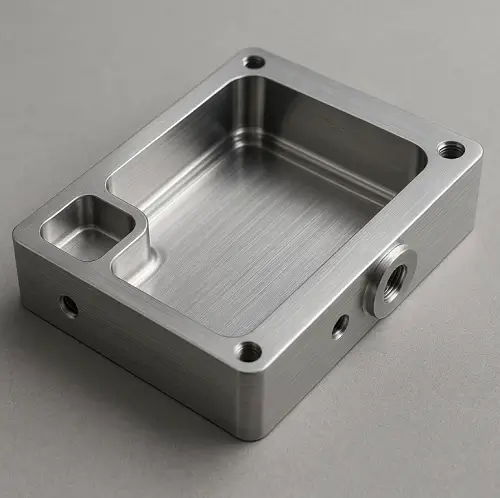
Common Applications of CNC Prototyping
CNC prototyping is used across many industries because the process supports real materials, tight dimensions, and functional testing.
Aerospace
Aerospace prototypes may include aluminum brackets, titanium parts, housings, fittings, UAV components, fixture parts, and lightweight structural parts. These components often need stable tolerances, clean edges, and careful inspection.
Automotive
Automotive CNC prototypes include brackets, housings, shafts, test fixtures, interior parts, and engine-related components. CNC machining helps validate fit, strength, heat resistance, and assembly before production release.
Medical Devices
Medical prototypes may include stainless steel tools, titanium trial parts, plastic housings, handles, fixtures, and diagnostic device components. Material selection, clean surfaces, and accurate inspection are important.
Consumer Electronics
Electronic product prototypes include aluminum housings, plastic enclosures, buttons, covers, heat sinks, and display windows. Surface finish and appearance often matter as much as dimensional accuracy.
Industrial Equipment
Industrial prototypes include gears, plates, brackets, machine guards, bushings, rollers, tooling components, jigs, and gauges. Many of these parts are used for functional testing or small-batch production.
What to Send for a CNC Prototype Quote
A complete quote request helps the machine shop give a faster and more accurate answer. Missing material, tolerance, or finish details often cause delays.
Useful quote information includes:
- 3D CAD file, such as STEP, STP, IGS, or X_T
- 2D drawing if tolerances, threads, or GD&T are required
- Material grade
- Quantity
- Surface finish
- Critical dimensions
- Thread requirements
- Heat treatment or coating requirements
- Inspection report requirements
- Target lead time
- Notes about assembly or testing
If a drawing is incomplete, JeekRapid can review the CAD model and ask for clarification before machining. This helps avoid wrong assumptions on tolerance, material, surface finish, thread depth, or assembly features.
Conclusion
CNC prototyping is a practical way to test real metal and plastic parts before production. A machined prototype can help check fit, strength, material behavior, tolerance, surface finish, threads, sealing areas, and assembly performance.
For buyers, the best CNC prototype is not always the most complex or the tightest-tolerance part. The best result comes from choosing the right material, marking the important dimensions clearly, keeping the design machinable, and planning the surface finish before machining starts.
JeekRapid supports CNC machining services for metal and plastic prototype parts, from one-off samples to low-volume production batches. Send CAD files, drawings, material requirements, quantity, and surface finish details for a practical machining review and quote.