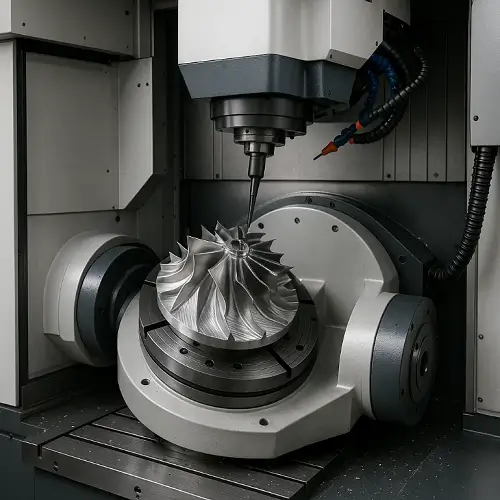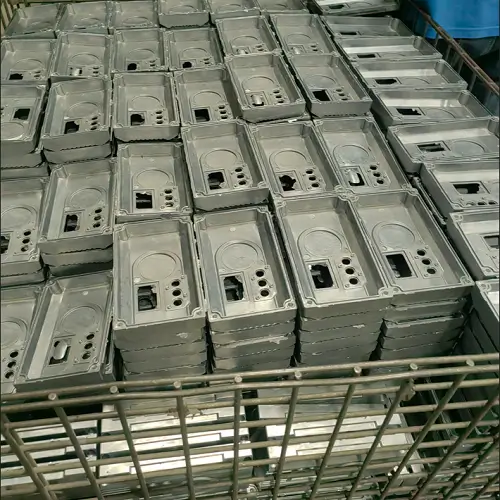
Bead blasting is often used after CNC machining when a part needs a cleaner, more uniform surface. A freshly machined part may meet the drawing, but the surface can still show cutter marks, uneven reflection, light oxidation, handling stains, or small burrs around edges. Bead blasting uses compressed air to shoot fine glass, ceramic, or plastic beads onto the part surface, creating a matte or satin finish without removing much base material.
For aluminum housings, stainless steel brackets, titanium components, brass parts, and visible CNC machined parts, bead blasting can make a prototype or production part look closer to a finished product. The process is also common before anodizing, painting, coating, assembly, or customer review.
What Is Bead Blasting?
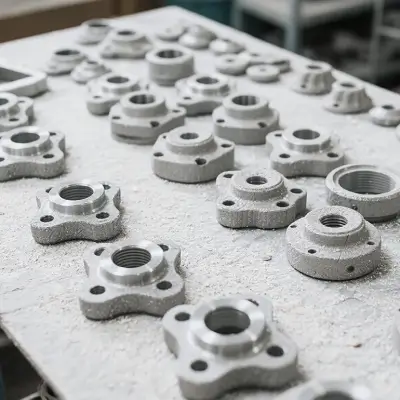
Bead blasting is a surface finishing process that uses compressed air to propel fine beads against a part surface. The process removes light machining marks, oxidation, stains, and minor surface defects while producing a uniform matte or satin finish. In CNC machining, bead blasting is commonly used on aluminum, stainless steel, titanium, brass, and some plastic parts.
Which CNC Machined Parts Need Bead Blasting?
Not every CNC machined part needs bead blasting. Hidden fixtures, rough functional parts, and low-cost internal components may not need cosmetic finishing. Bead blasting becomes useful when the surface appearance, touch, coating preparation, or customer-facing quality matters.
Aluminum Enclosures and Housings
Aluminum housings are one of the most common parts for bead blasting. CNC-machined aluminum often shows tool paths on flat surfaces, side walls, pockets, and chamfered edges. The part may be dimensionally correct, but the surface can still look unfinished.
Bead blasting helps create a more even texture across the housing. This is useful for electronic enclosures, sensor housings, control boxes, camera parts, medical device covers, and handheld device bodies. When aluminum parts need anodizing, bead blasting before anodizing can create a clean matte appearance.
For cosmetic aluminum parts, the machining quality still matters. Bead blasting can soften light tool marks, but deep cutter lines, chatter marks, or dents will usually remain visible under the matte texture.
Stainless Steel Brackets and Structural Parts
Stainless steel brackets, mounting plates, connectors, clamps, and machine components often come off the CNC machine with visible tool marks or uneven shine. A polished surface is not always required, but a raw machined surface may look too rough for visible equipment.
Bead blasting can reduce glare and give stainless steel parts a more consistent industrial finish. For medical devices, food equipment, instruments, and automation systems, this clean matte surface often looks more controlled than raw machining marks.
Titanium CNC Parts
Titanium parts are often used in aerospace, medical, robotics, and precision equipment. These parts may require both a controlled surface and a clean appearance. Bead blasting can produce a fine, non-reflective texture without making the part look heavily ground or polished.
Titanium is expensive and often used in parts with tight tolerance areas. Threads, sealing faces, bearing surfaces, and small precision holes should be reviewed before blasting. Some areas may need masking.
Brass and Copper Components
Brass and copper parts can be bead blasted, but the process needs control. These materials are softer than stainless steel or titanium, and the surface can become too dull or uneven if the pressure is too high.
For brass fittings, decorative CNC parts, electrical components, and prototype parts, bead blasting can reduce oxidation marks and handling stains. The final surface depends on bead size, air pressure, blasting distance, and the original machining quality.
CNC Prototype Parts for Customer Review
Prototype parts are not only checked by dimensions. A customer often judges the quality of a prototype by surface feel and appearance. A CNC prototype with obvious tool paths, stains, or uneven reflection may look unfinished, even when the part meets the drawing.
Bead blasting gives prototype parts a more complete appearance before review. This matters for product samples, investor samples, fit-check assemblies, pre-production parts, and low-volume CNC parts that need to represent the final product.
Why Bead Blasting Is Used After CNC Machining
Bead blasting is not just a cosmetic step. The process solves several common surface issues found after CNC milling and turning.
Reducing Visible Tool Marks
CNC machining leaves tool paths. Some marks are fine, while others become more visible on wide flat surfaces, side walls, pockets, and curved profiles. Bead blasting can soften the visual effect of these marks and make the surface look more uniform.
Bead blasting is not a repair process. If the machined surface already has deep cutter marks, chatter, dents, or heavy scratches, blasting will usually make the surface look more even but will not remove the defect. For high-end cosmetic parts, the machining strategy should be reviewed before finishing, not after the part has already been blasted.
Creating a Uniform Matte Finish
Different surfaces on the same part may be cut with different tools, feeds, speeds, or machining directions. The part may meet tolerance but reflect light unevenly. This is common on CNC aluminum parts, especially housings and covers with multiple machined faces.
Bead blasting creates a fine texture that reduces reflection differences. The result is usually described as a matte finish, satin finish, or non-glossy surface.
Preparing Parts for Anodizing or Coating
Aluminum parts are often bead blasted before anodizing. The blasted texture affects how the anodized part looks after finishing. A fine bead blasted surface usually gives anodized aluminum a clean matte appearance. A rougher blasted surface can make dark anodizing look more textured or grainy.
Bead blasting can also help before painting or coating, but the surface requirement depends on the coating system. Some coatings need a stronger surface profile than bead blasting provides. For cosmetic anodizing, bead blasting is usually more about visual consistency than heavy roughening.
Removing Light Oxidation and Handling Stains
Machined metal parts can pick up fingerprints, oil marks, light oxidation, and small stains during machining, inspection, packing, or transport. Bead blasting can clean many of these surface marks and give the part a fresh appearance.
For stainless steel and aluminum, this cleaning effect is one reason bead blasting is widely used before final shipment.
Improving the Appearance of Low-Volume CNC Parts
Low-volume CNC machining often produces final-use parts without tooling investment. These parts may go directly into equipment, prototypes, test assemblies, or customer samples. A bead blasted finish helps low-volume CNC parts look more consistent and production-ready.
This is why bead blasting is common in prototype machining, custom CNC parts, and small-batch production.
What Does a Bead Blasted Finish Look Like?
A bead blasted finish usually looks matte, smooth, and slightly textured. The surface does not have the shine of polished metal. Instead, the part has a softer and more even appearance.
The exact finish depends on several factors:
| Factor | Effect on Surface Finish |
|---|---|
| Bead material | Glass, ceramic, and plastic beads create different textures |
| Bead size | Smaller beads create a finer surface; larger beads create a stronger texture |
| Air pressure | Higher pressure increases surface impact and roughness |
| Blasting distance | Closer blasting creates a stronger effect |
| Blasting angle | Angle affects surface consistency and edge impact |
| Base material | Aluminum, stainless steel, titanium, brass, and plastic respond differently |
| Original machining quality | Deep tool marks may still show after blasting |
For visible parts, the goal is not simply to blast harder. The goal is to create a consistent surface without damaging edges, threads, holes, or functional areas.
Should You Choose Bead Blasting for Your Part?
The best way to judge bead blasting is to look at the part requirement. Some parts are good candidates. Some parts need polishing, sanding, anodizing, painting, or machining improvement before blasting.
| Customer Need | Should You Choose Bead Blasting? | Better Option If Not |
|---|---|---|
| Hide light CNC tool marks | Yes | Deep marks need sanding or machining correction first |
| Create a matte aluminum finish | Yes | Polishing if a glossy finish is required |
| Prepare aluminum for anodizing | Yes | Sample approval recommended for cosmetic parts |
| Reduce glare on stainless steel parts | Yes | Brushing or polishing if directional texture is needed |
| Remove light oxidation or handling stains | Yes | Chemical cleaning may be needed for certain stains |
| Protect tight threads or holes | Yes, with masking | Do not blast precision areas directly |
| Remove heavy scratches or dents | No | Re-machining, sanding, or polishing |
| Create a mirror-like appearance | No | Polishing or buffing |
| Keep a sealing face very smooth | Usually no | Mask the sealing face or use another finish |
| Finish thin-wall delicate parts | Possible | Lower pressure and careful handling required |
This kind of review matters before production. Bead blasting can improve appearance, but the process should match the part function.
How the Bead Blasting Process Works
The bead blasting process looks simple from the outside, but good results depend on setup and control.
Part Cleaning
The part is cleaned before blasting. Oil, coolant, chips, fingerprints, and dirt can affect the surface result. A dirty surface may lead to uneven texture or stains after finishing.
Masking Critical Areas
Not every surface should be blasted. Threads, sealing faces, bearing seats, press-fit holes, polished areas, and tight-tolerance features may need masking. Rubber plugs, tapes, caps, or custom masks can protect these areas.
Masking is especially important for precision CNC parts. Bead blasting usually removes very little material, but it can still change surface texture and slightly affect sharp edges or delicate features.
Choosing the Blasting Media
The blasting media is selected based on material, finish requirement, and part function. Glass beads are common for aluminum and stainless steel. Ceramic beads are used when a more durable media and consistent texture are needed. Plastic beads are softer and more suitable for delicate surfaces.
Setting Pressure and Distance
Air pressure, nozzle distance, and spray angle must be controlled. Too much pressure can roughen the surface, round edges, or create uneven texture. Too little pressure may not remove tool marks or surface stains effectively.
Blasting the Part
The operator moves the blast nozzle evenly across the surface. Consistent movement matters. Staying too long in one area can create patchy texture, while moving too quickly can leave visible uneven spots. On cosmetic parts, uneven blasting can create cloud-like marks or slight color differences after anodizing.
Inspection and Cleaning
After blasting, the part is inspected for coverage, surface consistency, stains, and masked areas. Loose media and dust must be cleaned from holes, pockets, threads, and internal features before packing or secondary finishing.
Common Bead Blasting Equipment
Searches for bead blasting often include bead blasting machine or bead blasting equipment because customers want to understand how the process is done. In a manufacturing shop, bead blasting usually uses controlled equipment rather than open manual spraying.
Bead Blasting Cabinet
A blasting cabinet contains the blasting area and keeps media inside the machine. The operator works through gloves attached to the cabinet while viewing the part through a window. Cabinet blasting is common for CNC machined parts because the process is cleaner and easier to control.
Blast Gun and Nozzle
The blast gun directs the media toward the part. The nozzle size and condition affect blasting speed and surface consistency. A worn nozzle can create uneven spray patterns.
Compressed Air System
Compressed air carries the beads to the part surface. Stable air pressure is needed for a consistent finish. Pressure changes during blasting can create different surface textures on the same part.
Media Recovery System
Many bead blasting cabinets reuse blasting media. The media recovery system collects and separates usable beads from dust and broken particles. Clean media helps maintain a consistent finish.
Dust Collector
Bead blasting creates dust from broken media, removed oxides, and surface residue. A dust collector keeps the cabinet visible and helps maintain a cleaner working environment.
Bead Blasting Media: Glass, Ceramic, and Plastic Beads
The media choice affects the final finish. A CNC aluminum part does not need the same media as a stainless steel bracket or a delicate brass component.
| Media Type | Best Used For | Surface Result | Notes |
|---|---|---|---|
| Glass beads | Aluminum, stainless steel, brass | Smooth matte or satin finish | Common choice for CNC machined parts |
| Ceramic beads | Stainless steel, titanium, harder metals | Fine, consistent texture | More durable media, good for repeat work |
| Plastic beads | Softer metals, delicate surfaces, some plastics | Gentle cleaning | Lower surface impact |
| Fine beads | Cosmetic parts, anodized aluminum | Softer matte finish | Good for visible surfaces |
| Coarser beads | Stronger cleaning or stronger texture | More noticeable texture | Needs careful control |
Glass bead blasting is common because it gives a clean, uniform appearance without being too aggressive. Ceramic beads can be more stable for repeated production work. Plastic beads are useful when the part surface cannot tolerate strong impact.
Bead Blasting vs Sandblasting
Bead blasting and sandblasting are often confused. Both use air pressure and media, but the surface effect is different.
| Item | Bead Blasting | Sandblasting |
|---|---|---|
| Media shape | Round beads | Sharper abrasive particles |
| Surface result | Smooth matte or satin finish | Rougher, more aggressive texture |
| Material removal | Low | Higher |
| Main purpose | Cosmetic finish, light cleaning, tool mark reduction | Rust removal, coating preparation, heavy cleaning |
| Common use on CNC parts | Aluminum housings, stainless brackets, prototypes | Less common for fine cosmetic CNC parts |
| Risk | Uneven finish if poorly controlled | Surface damage if too aggressive |
For CNC machined parts, bead blasting is usually preferred when the goal is a clean cosmetic finish. Sandblasting is more aggressive and better suited for heavy rust removal, rough surface preparation, or industrial cleaning where appearance is less delicate.
Bead Blasting Before Anodizing, Painting, or Assembly
Bead blasting is often not the final step. Many parts are blasted before another finishing process.
Before Anodizing
Aluminum parts are commonly bead blasted before anodizing. The blasted surface gives the anodized part a matte look. Fine blasting usually produces a cleaner cosmetic finish. Heavy blasting can make the surface look rougher after anodizing.
The final appearance depends on aluminum grade, machining marks, bead size, pressure, anodizing color, and surface cleaning before anodizing. For visible aluminum parts, a sample finish is often worth confirming before a full batch.
Before Painting or Powder Coating
Bead blasting can help clean the surface before painting or coating, but coating requirements vary. Some coatings need a rougher profile than bead blasting provides. For cosmetic painted CNC parts, bead blasting may help remove light marks and create a more uniform base.
Before Assembly
Some machined parts are bead blasted and then assembled directly. In this case, cleaning is critical. Media trapped in holes, pockets, threads, or internal channels can cause assembly issues. Parts with internal passages need extra attention after blasting.
Tolerances, Masking, and Design Points
Bead blasting is a light surface finishing process, but precision parts still need proper review before blasting.
Threads
Internal and external threads should often be protected, especially fine threads or tight-fitting threads. Blasting can leave media inside threads or slightly change the surface feel.
Precision Holes
Reamed holes, dowel pin holes, bearing holes, and press-fit holes should be masked when the tolerance is tight. Even small surface texture changes can affect assembly.
Sealing Faces
Flat sealing surfaces, gasket areas, O-ring grooves, and valve seats should not be blasted unless the drawing allows it. Bead blasting can change surface texture and affect sealing performance.
Sharp Edges and Small Features
Blasting can soften sharp visual edges. For some parts this is acceptable. For others, especially small features, logos, engraving, and fine chamfers, the blasting process must be controlled.
Thin-Wall Parts
Thin aluminum or plastic parts may need lower pressure and careful handling. Strong blasting pressure can create distortion or uneven surface marks on delicate parts.
When Bead Blasting May Not Be the Right Finish
Bead blasting is useful, but the process does not solve every surface problem.
Bead blasting may not be suitable when the part needs a mirror finish, high-gloss surface, transparent plastic finish, or very smooth polished appearance. It is also not the right fix for deep scratches, dents, chatter marks, machining defects, or heavy burrs. Those problems should be corrected before finishing.
Bead blasting may also be risky on functional surfaces that require a controlled Ra value, such as sealing faces, sliding surfaces, bearing seats, and precision mating areas. These areas should be protected or finished with another process.
For decorative parts, bead blasting should be tested before full production. Different materials and anodizing colors can change the final appearance.
Practical Examples of Bead Blasting on CNC Parts
| Part Type | Reason for Bead Blasting | Key Control Point |
|---|---|---|
| Aluminum electronic enclosure | Reduce tool marks and prepare for anodizing | Keep texture uniform across visible faces |
| Stainless steel bracket | Reduce glare and improve appearance | Avoid blasting threaded holes |
| Titanium medical component | Create clean matte surface | Protect precision functional areas |
| Brass prototype part | Remove stains and light oxidation | Use controlled pressure |
| CNC machined cover | Improve cosmetic appearance before customer review | Check edges and small engraved features |
| Low-volume production part | Create consistent finish across batch | Keep media, pressure, and blasting time stable |
What to Confirm Before Requesting a Bead Blasting Quote
A clear bead blasting quote needs more than the part name. Surface finishing depends on material, geometry, tolerance, cosmetic requirements, and any process after blasting. When these details are clear at the beginning, the supplier can quote faster and avoid wrong surface expectations.
Material
The material should be confirmed first. Aluminum, stainless steel, titanium, brass, copper, and plastic do not respond to bead blasting in the same way. Aluminum is often blasted for matte anodizing. Stainless steel is often blasted for a clean industrial finish. Brass and copper need more care because the surface can darken or become too dull.
Drawing or CAD File
A 2D drawing or 3D CAD file helps the manufacturer understand the part geometry, tolerance areas, thread locations, hole sizes, sealing faces, and visible surfaces. Photos alone are usually not enough for precision CNC parts.
Surfaces That Need Bead Blasting
Not every face needs the same finish. A customer may only need bead blasting on the outside of an enclosure, the visible face of a bracket, or the cosmetic area of a prototype. Marking these areas on the drawing helps avoid unnecessary finishing cost and reduces risk on functional surfaces.
Areas That Must Not Be Blasted
Threads, tight holes, sealing faces, bearing seats, polished surfaces, and press-fit areas should be clearly marked if they must stay protected. These areas may need masking before blasting.
Required Surface Appearance
The expected finish should be described as clearly as possible. Terms such as matte, satin, fine bead blast, non-reflective, or bead blasted before anodizing can help. For cosmetic parts, a reference photo or sample part is very useful.
Secondary Finishing After Bead Blasting
The quote should state whether the part needs anodizing, painting, powder coating, passivation, assembly, laser marking, or any other secondary process after blasting. Bead blasting before anodizing is not the same as bead blasting for final shipment.
Quantity and Batch Consistency
One prototype and a batch of 500 parts are handled differently. For production parts, consistency across the batch matters. The same media, pressure, operator method, and inspection standard should be maintained as much as possible.
Cosmetic Sample Requirement
For visible parts, a sample finish should be confirmed before full production when possible. This is especially useful for anodized aluminum, decorative stainless steel, and parts where customers care about texture, color, and reflection.
Bead Blasting for Custom CNC Machined Parts at JeekRapid
JeekRapid uses bead blasting as part of surface finishing for custom CNC machined parts when the part needs a cleaner matte surface, reduced machining marks, or better preparation before anodizing, painting, or assembly.
Before bead blasting, JeekRapid reviews the part material, drawing requirements, tolerance areas, cosmetic surfaces, threads, holes, masking needs, and any secondary finishing. This review matters because the best bead blasted finish is not created by treating every surface the same way. A visible aluminum housing, a stainless steel bracket, and a titanium precision component may all need different blasting control.
For aluminum CNC parts, bead blasting is often selected before anodizing to improve surface consistency. For stainless steel and titanium parts, bead blasting can provide a clean industrial matte finish. For brass and copper parts, blasting pressure and media choice must be controlled to avoid excessive dullness or uneven texture.
JeekRapid can quote bead blasted CNC parts from drawings or CAD files, with material, quantity, masking areas, and finishing requirements reviewed before production.
Summary
Bead blasting is a practical finishing process for CNC machined parts that need a cleaner, more uniform matte or satin surface. The process can reduce light tool marks, remove surface stains, improve appearance, and prepare parts for anodizing, painting, or final assembly.
Bead blasting is useful because the part looks more finished, but appearance is only part of the reason shops use it. A controlled bead blasted finish can make prototypes easier to review, low-volume parts more consistent, and visible metal components more suitable for customer-facing applications.
The final result still depends on proper media selection, pressure control, masking, cleaning, and drawing review. Critical holes, threads, sealing faces, and precision surfaces should be protected when needed.
For custom CNC machined parts that require bead blasting or other surface finishing, JeekRapid can review CAD files, drawings, material requirements, surface expectations, quantity, and delivery needs before quoting.Send your drawings to JeekRapid and get a bead blasting quote for your CNC machined parts.