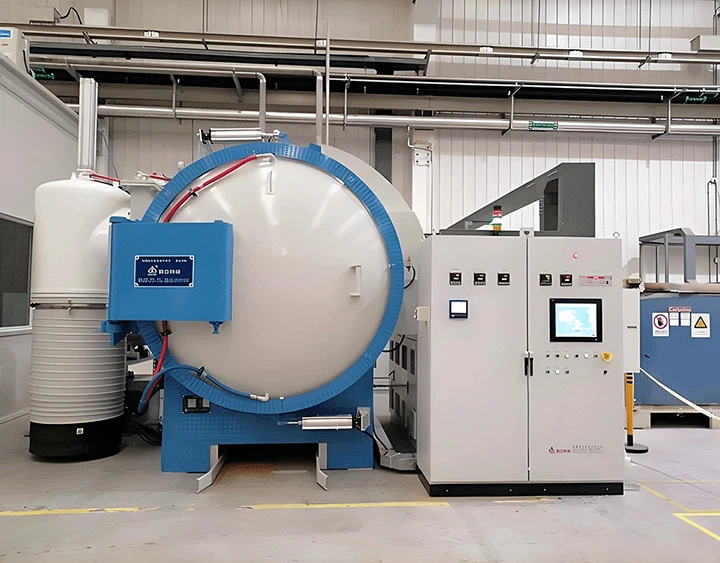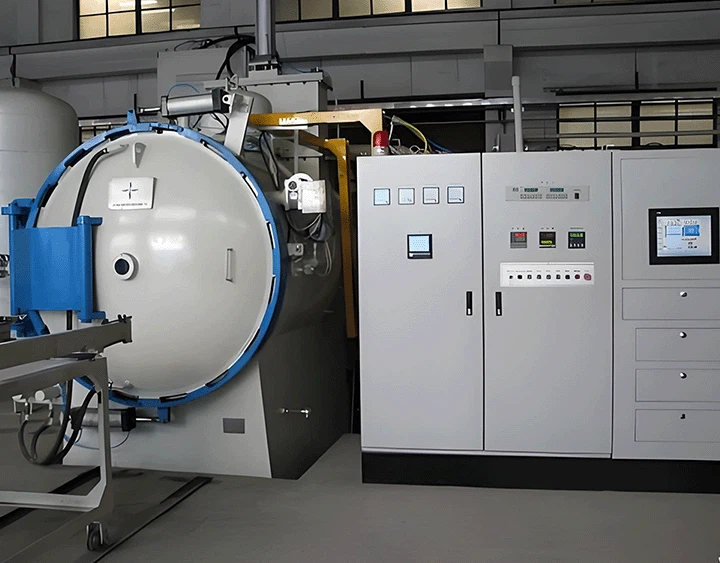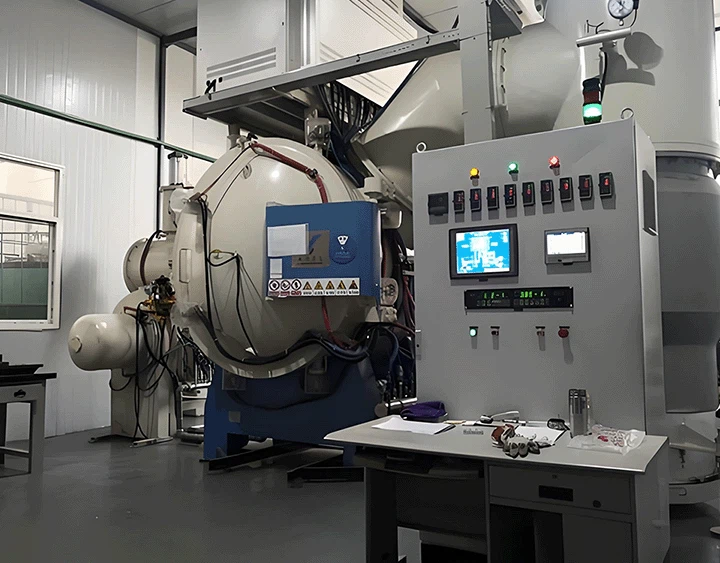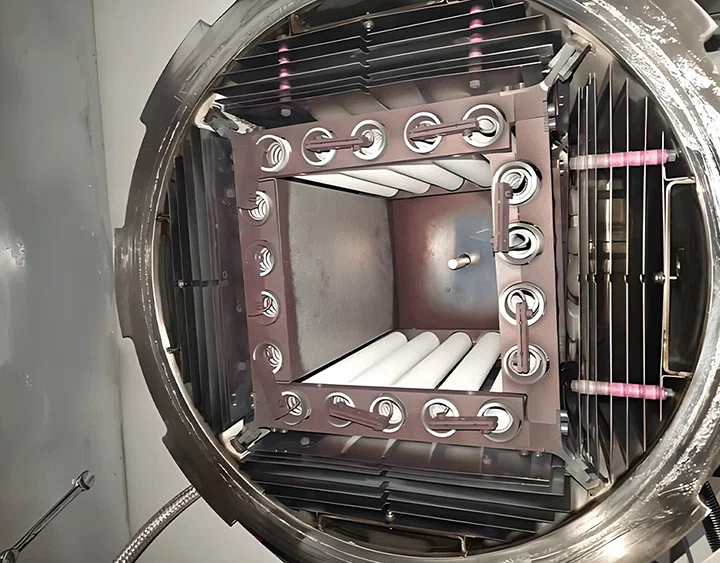
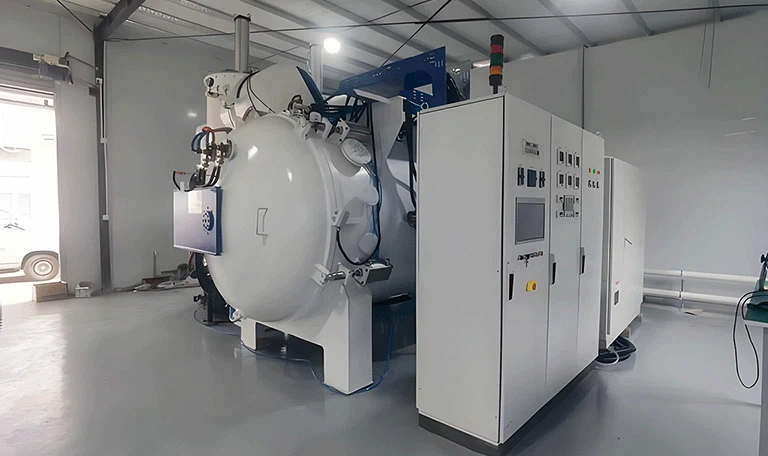
What Is Vacuum Brazing
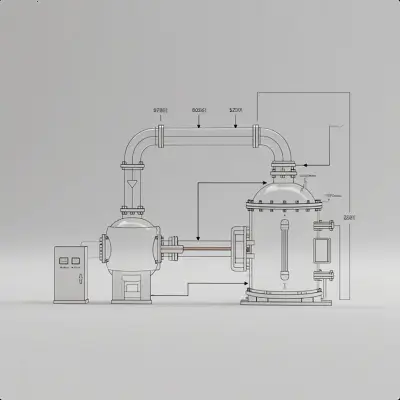
What Is The Technical advantages of Vacuum Brazing?
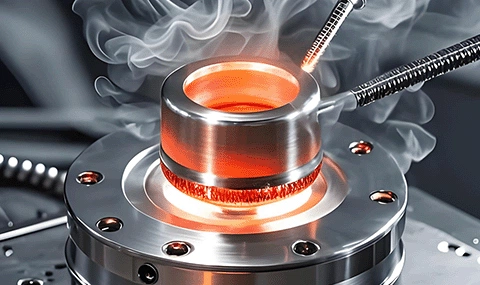
Vacuum Brazing Process Parameters
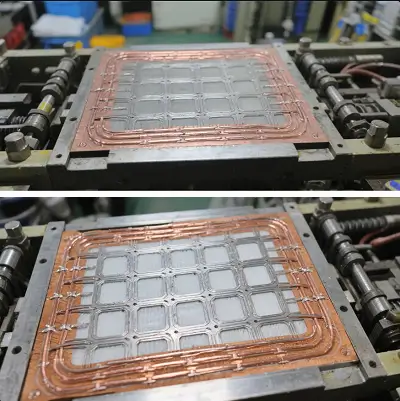

10+ Years of Proven Vacuum Brazing Experience
With over a decade of hands-on vacuum brazing experience, we have successfully supported a wide range of precision applications across multiple industries. Our long-term process knowledge allows us to consistently deliver stable, repeatable results—even for complex and demanding assemblies.

Precise Control, Stable and Reliable Quality.
Our vacuum brazing process is precisely controlled by experienced engineers, ensuring uniform heating, accurate temperature profiles, and stable metallurgical bonding. This precise control minimizes deformation and prevents oxidation, resulting in clean, high-strength joints with excellent repeatability.

Expertise in Complex and Dissimilar Material Assemblies
We specialize in vacuum brazing complex geometries and dissimilar material combinations, including stainless steels, nickel alloys, copper alloys, and tool steels. Our engineering team carefully evaluates material compatibility and joint design to achieve reliable bonding performance.

Strict Process Control and Quality Assurance
Every vacuum brazing project follows a clearly defined process workflow, from drawing review and material preparation to brazing execution and final inspection. Our quality control measures ensure joint integrity, dimensional stability, and consistent results from prototype to production.

Engineering Support Focused on Your Application
We work closely with our customers’ engineering teams to review designs, optimize joint structures, and recommend suitable brazing solutions. Our goal is not only to manufacture parts, but to help ensure long-term performance in real-world applications.

Trusted by Demanding Industrial Applications
Our vacuum brazing services are trusted by customers in medical, aerospace, automotive, tooling, and industrial equipment sectors—industries where precision, reliability, and quality are non-negotiable.

Stainless Steel
The vacuum atmosphere suppresses chromium oxide formation, allowing the brazing filler metal to achieve stable wetting on stainless steel surfaces. This process is well suited for complex assemblies demanding high hermetic integrity and superior corrosion resistance, such as spacecraft propulsion tubing and vacuum system chambers.
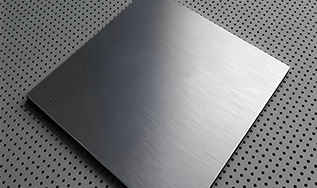
Titanium Alloy
Titanium is extremely sensitive to oxygen, nitrogen, and hydrogen at elevated temperatures. Vacuum brazing is the only scalable process that provides a sufficiently clean environment to prevent brittle phase formation and achieve high-strength, high-toughness joints. It is widely used for aero-engine compressor components and biomedical implant frameworks.
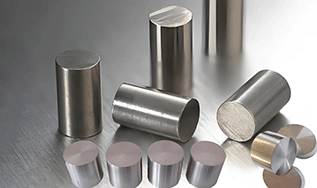
High Temperature Alloy
Vacuum brazing typically uses filler metals with compositions similar to the base material (such as nickel-based BNi alloys). During brazing, interdiffusion between the filler and base material forms a metallurgically bonded zone with excellent high-temperature strength, oxidation resistance, and creep resistance. It is a critical process for manufacturing internal cooling channels in turbine blades and combustion chamber components.
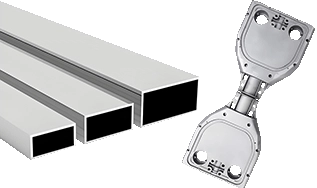
Aluminum Alloy
The dense aluminum oxide film on aluminum alloys is the primary barrier to brazing. Vacuum brazing, assisted by active elements such as magnesium, removes this oxide layer in a vacuum environment and promotes filler metal flow. This process is especially suitable for joining thin-walled components with complex flow channels, such as plate-fin heat exchangers and cold plates used in aerospace applications.
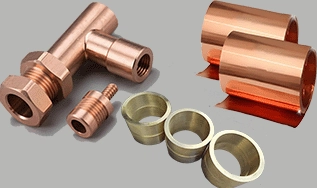
Copper Alloy
Oxygen-free copper and similar materials are prone to hydrogen embrittlement in hydrogen atmospheres. Vacuum brazing eliminates this risk and enables the use of low-resistance silver-based filler metals, producing joints with electrical and thermal conductivity close to the base material. It is the preferred joining method for high-power microwave devices, particle accelerator cavities, and high-efficiency heat exchangers.
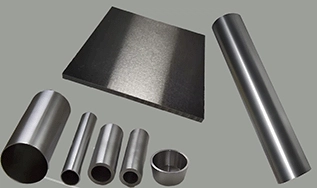
Molybdenum & Tungsten
The vacuum atmosphere suppresses chromium oxide formation, allowing the brazing filler metal to achieve stable wetting on stainless steel surfaces. This process is well suited for complex assemblies demanding high hermetic integrity and superior corrosion resistance, such as spacecraft propulsion tubing and vacuum system chambers.

Aerospace
The vacuum atmosphere suppresses chromium oxide formation, allowing the brazing filler metal to achieve stable wetting on stainless steel surfaces. This process is well suited for complex assemblies demanding high hermetic integrity and superior corrosion resistance, such as spacecraft propulsion tubing and vacuum system chambers.
Learn More

Automotive
Titanium is extremely sensitive to oxygen, nitrogen, and hydrogen at elevated temperatures. Vacuum brazing is the only scalable process that provides a sufficiently clean environment to prevent brittle phase formation and achieve high-strength, high-toughness joints. It is widely used for aero-engine compressor components and biomedical implant frameworks.
Learn More
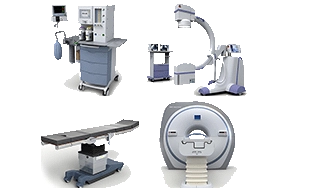
Medical Devices
Vacuum brazing typically uses filler metals with compositions similar to the base material (such as nickel-based BNi alloys). During brazing, interdiffusion between the filler and base material forms a metallurgically bonded zone with excellent high-temperature strength, oxidation resistance, and creep resistance. It is a critical process for manufacturing internal cooling channels in turbine blades and combustion chamber components.
Learn More
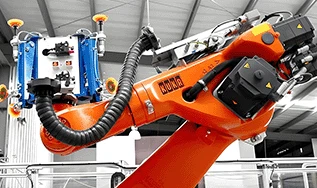
Industrial Machinery
The dense aluminum oxide film on aluminum alloys is the primary barrier to brazing. Vacuum brazing, assisted by active elements such as magnesium, removes this oxide layer in a vacuum environment and promotes filler metal flow. This process is especially suitable for joining thin-walled components with complex flow channels, such as plate-fin heat exchangers and cold plates used in aerospace applications.
Learn More

Consumer Products
Oxygen-free copper and similar materials are prone to hydrogen embrittlement in hydrogen atmospheres. Vacuum brazing eliminates this risk and enables the use of low-resistance silver-based filler metals, producing joints with electrical and thermal conductivity close to the base material. It is the preferred joining method for high-power microwave devices, particle accelerator cavities, and high-efficiency heat exchangers.

New Energy
The vacuum atmosphere suppresses chromium oxide formation, allowing the brazing filler metal to achieve stable wetting on stainless steel surfaces. This process is well suited for complex assemblies demanding high hermetic integrity and superior corrosion resistance, such as spacecraft propulsion tubing and vacuum system chambers.