Surface Hardening: A Key Technique to Make Metal Parts More Durable

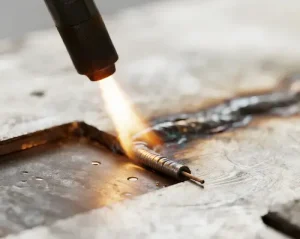
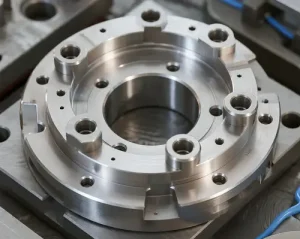
In modern mechanical manufacturing, many critical components need to balance high strength with excellent wear resistance. Bulk hardening most metals often reduces toughness, making parts prone to fracture under shock or stress concentration. Surface hardening—also known as case hardening in industry—addresses this issue by enhancing surface properties while keeping the core tough. It is widely …
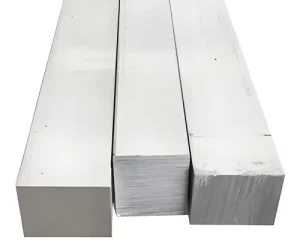

Comparing 6061 vs 7075 in CNC Machining

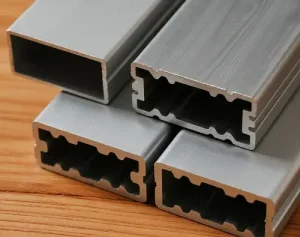
6061 vs 7075 are among the most commonly used aluminum alloys in CNC machining. Both offer excellent mechanical properties and machinability, but serve different roles in engineering applications. Selecting the right grade depends on performance demands, cost targets, and manufacturing priorities. JeekRapid provides CNC machining services for both 6061 vs 7075 aluminum, supporting any order …

Is Nylon a Plastic? Key Differences Between Nylon and Other Plastics

People often talk about plastic as if it’s a single material, but in reality, plastics come in a wide variety of forms—some flexible, some rigid, some cheap, and some engineered for extreme environments. Nylon is one of those materials that tends to confuse people. It’s tough, durable, and used in everything from zippers to car …

How to Weld Aluminum: A Detailed Guide

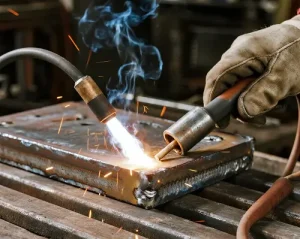
As industries increasingly demand materials that are lightweight, corrosion-resistant, and high-strength, aluminum stands out for its unique combination of properties. Its unique combination of properties, however, also presents specific challenges for welding. From aerospace structures to automotive parts and consumer electronics, mastering aluminum welding requires a thorough understanding of the metal and its processes. This …

Aluminum CNC Machining: How to Get It Right From Prototype to Production

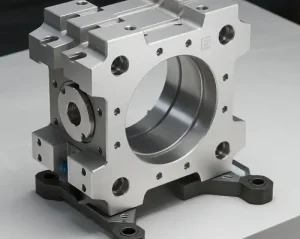
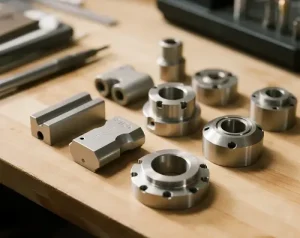
Aluminum has established itself as a cornerstone in precision manufacturing. With a unique blend of low weight, strength, corrosion resistance, and affordability, aluminum has become the material of choice across aerospace, automotive, medical, consumer electronics, and robotics. When paired with CNC machining, aluminum provides unmatched versatility by enabling engineers to create prototypes, refine designs, and …

MIG vs TIG Welding: What’s the Difference?

When it comes to welding, choosing between MIG and TIG isn’t just a technical decision — it can directly affect the strength, appearance, cost, and timeline of your project. If you’re a manufacturer, engineer, or procurement manager looking to select the right welding process for your components or assemblies, this article breaks it down without …

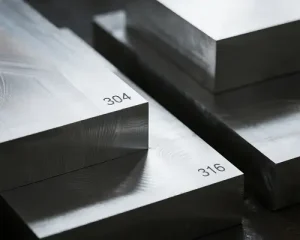
304 vs 316 stainless steel materials used for CNC machining comparison

304 vs 316 Stainless Steel for CNC Machining

304 and 316 stainless steel are two of the most common grades used for CNC machined parts. Both materials offer good corrosion resistance, strength, clean appearance, and long service life, but they are not the same in machining, cost, or working environment.

For most general CNC machined parts, 304 stainless steel is a practical and …

17-4 PH Stainless Steel: Properties, Applications, and Machining Tips

17-4 PH stainless steel is one of the most widely used precipitation-hardening stainless steels. The alloy offers a unique combination of high strength, hardness, corrosion resistance, and good machinability, making it suitable for demanding applications in aerospace, defense, medical, oil and gas, and general engineering. Its balance of mechanical performance and fabricability places it in …

Scroll to Top